Choosing a Portable Suction Unit in 2026 is not just a matter of comparing prices or carrying cases. The right choice depends on where suction will be used, who will operate it, and the patient’s clinical needs. A bedside device may offer features that matter less during transport. A compact unit, meanwhile, still needs dependable suction and a battery that lasts through the expected trip.
Florence Nightingale’s well-known reminder, “The very first requirement in a hospital is that it should do the sick no harm,” offers a useful safety principle—not a device-specific recommendation. Keep that distinction in mind. Compare the prescribed vacuum range, airflow, battery runtime, collection-canister capacity, filters, alarms, and cleaning requirements. Picture the actual setup: a charged battery, tubing within reach, and a canister large enough for the intended use. Then check the manual, service support, and compatibility of replacement parts. Small details matter.
Specifications can look reassuring on a product page. Real use is less tidy. Noise, weight, charging time, and awkward controls may affect daily handling, yet they are easy to overlook. No single Portable Suction Unit suits every patient or setting. Ask the treating clinician which performance requirements are essential, and confirm that caregivers can operate the selected model safely. This guide will help you compare practical features, portability, maintenance, and value. It will also flag a limitation: published specifications cannot show how a unit feels during a rushed transfer. That needs careful, hands-on assessment.
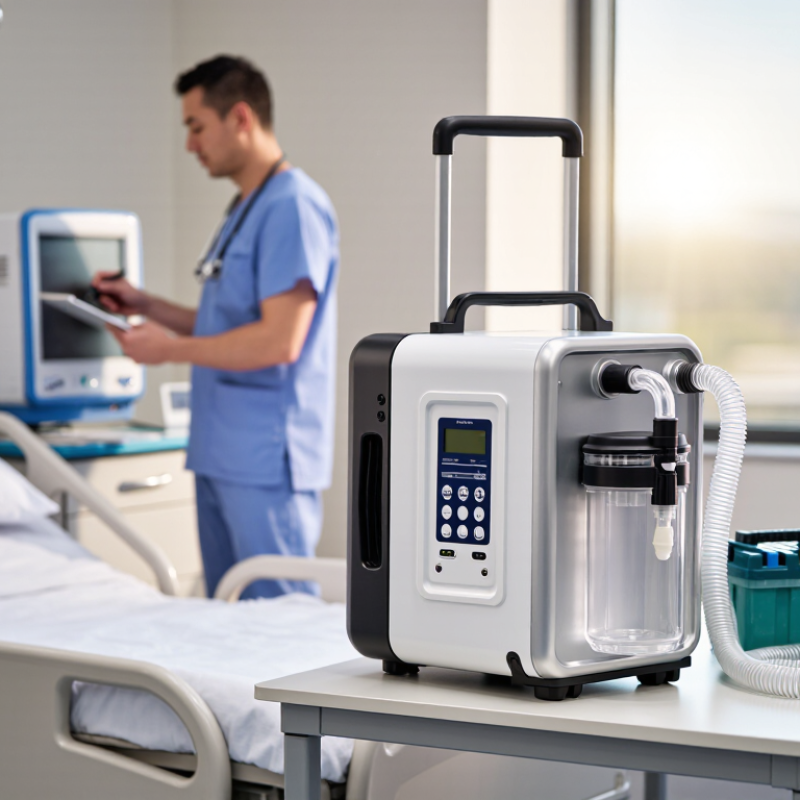
Choosing a portable suction unit in 2026 begins with purpose, not a feature list. A home-care device may need quiet operation, simple controls, and a battery lasting through an evening visit. An ambulance or field kit demands shock resistance, rapid setup, and reliable performance when mains power disappears. A clinic may value higher duty cycles, larger collection capacity, and easy decontamination between patients. The setting changes the right answer.
Define the task clearly. Will the unit manage oral secretions, thick mucus, or occasional emergency support? Confirm the required vacuum range with a qualified clinician. Consider who will operate it, especially during stressful moments. Large buttons, clear pressure readings, and audible alerts can matter more than extra accessories. Test the collection container while wearing gloves. Small design problems become obvious then.
Power planning deserves careful attention. Check charging time, battery endurance, backup options, and performance during transport. Review published technical specifications, clinical guidance, and local infection-control procedures. Ask a respiratory therapist or equipment technician to assess the setup. No device fits every patient or location perfectly. A quieter model may have less capacity, while a stronger pump may increase noise and weight. That trade-off is easy to underestimate. Availability of replacement tubing and approved cleaning supplies also affects dependable daily use.
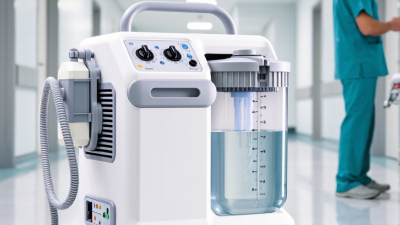
Choosing a portable suction unit in 2026 starts with the task, not the newest feature. Compare suction power under realistic conditions, including tubing length, filter resistance, and battery level. A high maximum setting may look impressive, yet steady performance matters more during repeated use. Ask a qualified clinician which pressure range suits the intended application. Do not adjust clinical settings casually. Small details matter. I once focused too heavily on peak suction, and that was a poor shortcut. I would test the unit with the exact collection tubing before purchase. Some units lose efficiency when accessories are added, a weakness that product tables may hide.
Collection capacity affects workflow and safety. A small container keeps the unit lighter, but it may require frequent emptying. A larger container supports longer sessions and reduces interruptions. Check the usable capacity, not only the advertised volume. Spillage protection, a secure lid, and a visible fill line deserve close attention. Maintenance takes time. Choose components that are easy to remove, clean, dry, and replace according to instructions. Compare battery runtime at working power, recharge time, noise, weight, and alarm visibility. A quiet unit helps in shared spaces, but silent alarms can create risk. Test the controls while wearing gloves. Real-world handling often exposes flaws that demonstrations miss. Document cleaning and charging checks, and request technical support and service intervals before purchase.
How to Choose a Portable Suction Unit in 2026?
Portability means more than a low number on a product label. Check the unit’s weight, handle comfort, and footprint with its canister and tubing attached. Picture carrying it up stairs or fitting it beside a wheelchair. A compact unit may still feel awkward when accessories shift. Review the manufacturer’s specifications, and compare them with the user’s care plan and clinical guidance.
Tips: Test the controls before purchase, if possible. Can they be found quickly with gloves on? Check how the canister locks, how the filter is replaced, and whether alarms are easy to hear. Ask for battery runtime at the intended suction setting; maximum runtime figures may not match everyday use. Small detail. Big difference.
Battery life matters most when charging opportunities are limited. Look for clear charging indicators and a practical way to carry a spare battery, if the model supports one. Consider how long a full charge takes. Ease of operation deserves equal attention: setup should be clear, cleaning steps manageable, and key parts easy to inspect. A device that is portable but confusing can create avoidable stress. I would not judge usability from a brochure alone; hands-on practice can reveal awkward steps that specifications miss. Have a qualified clinician confirm that the selected unit fits the intended needs and care routine.
Evaluate portability, battery life, and ease of operation against practical screening benchmarks for mobile clinical and emergency use.
The chart uses a 100-point suitability scale based on three measurable targets: a maximum unit weight of 2.0 kg, at least 60 minutes of continuous battery runtime, and no more than 3 basic operating steps. A higher score indicates closer alignment with these practical selection targets.
How to Choose a Portable Suction Unit in 2026?
When choosing a portable suction unit, examine hygiene before appearance or price. In clinical practice, detachable collection jars and smooth tubing are easier to clean thoroughly. Check whether filters, canisters, and patient-contact parts are single-use or reusable. Clear volume markings help caregivers notice contamination and prevent overfilling. Materials should tolerate the recommended disinfectant without cracking or becoming cloudy. Read the cleaning instructions carefully. Some “easy-clean” designs still hide residue near connectors.
Accessories also deserve close attention. Select catheters, tubing, carrying cases, chargers, and spare batteries that match the unit’s specifications. A strong vacuum is not useful if the tubing kinks during transport. Test the battery under realistic conditions, not only on a workbench. Maintenance records should include filter changes, battery checks, alarm tests, and inspection of seals. Service intervals may vary. Follow the manufacturer’s instructions and qualified clinical guidance.
Tips: Run a short pre-use check. Confirm charge, suction, jar position, tubing flow, and alarm function. Keep a backup battery when transfers may take longer than expected. Train every regular user, including family caregivers. Never assume a quiet motor means safe operation. I once overlooked a worn seal during a routine check; the unit worked, but suction weakened under load. That mistake was small, yet it changed how carefully I inspect connections. Safety features should include blockage alerts, overflow protection, secure lids, and clear controls that remain visible in low light.
How to Choose a Portable Suction Unit in 2026?
Compliance should be verified before comparing prices. Check the intended market’s registration rules and applicable standards, including IEC 60601-1 and ISO 10079-1. Ask for test certificates, risk-management records, and cleaning instructions. Do not accept a generic “medical grade” claim. The WHO Global Patient Safety Action Plan 2021–2030 reports that one in ten patients experiences harm during healthcare, with more than half considered preventable. A suction device must support safe care, not create another risk.
Durability appears in small details. Inspect the pump housing, tubing connectors, collection container, bacterial filter, battery indicator, and charger. Test suction performance with a full battery and a partly blocked filter. It should remain stable beside a stretcher, even with gloves on. The WHO Global Report on Infection Prevention and Control (2022) links weak infection-control systems with substantial preventable harm. Therefore, choose smooth surfaces and parts that staff can replace without tools. I would still challenge optimistic laboratory claims; field conditions are messier.
Warranty terms reveal the supplier’s confidence. Confirm coverage for the battery, charger, pump, and labor. Record repair turnaround times and local service availability. Calculate total cost of ownership over five years: purchase price, filters, containers, batteries, calibration, shipping, training, and downtime. A cheaper unit can become expensive after two battery replacements. One overlooked cost remains: staff time spent cleaning and troubleshooting. Ask for service records from comparable users, but remember that testimonials are not performance data.
| Evaluation Dimension | What to Confirm | Evidence to Request | Comparison Data to Record | Example Weight* |
|---|---|---|---|---|
| Regulatory compliance | Confirm that the exact model and intended use are authorized for the markets where it will be used. Check applicable medical-device requirements and electrical safety documentation. | Declaration of conformity and applicable certificates; market-specific registration, listing, or clearance details; device labeling and instructions for use. Relevant standards may include ISO 10079-1 for electrically powered medical suction equipment, IEC 60601-1 for basic safety and essential performance, and IEC 60601-1-2 for electromagnetic compatibility, as applicable. | Market(s) covered; intended use; applicable standards and editions; certificate or authorization status; any exclusions or conditions. | 25% |
| Suction performance | Compare maximum vacuum and free-air flow rate, then assess performance under the conditions relevant to the intended clinical use. Check whether the unit has adjustable vacuum control and a readable gauge. | Manufacturer’s specifications, test conditions, user manual, and—where available—test reports. Confirm that stated figures refer to the model and configuration being quoted. | Maximum vacuum; free-air flow rate; adjustment range; gauge readability; performance with the specified tubing, filter, and collection system. | 20% |
| Battery and portability | Check battery runtime at the expected workload rather than relying only on a no-load claim. Review recharge time, charging method, battery replacement options, and whether operation is possible while charging. | Runtime test conditions, battery specifications, charging instructions, and replacement-battery availability. Ask for a demonstration using the facility’s expected use pattern. | Runtime under defined conditions; recharge time; battery type; charging options; unit weight; carrying case or handle; operation while connected to mains power. | 10% |
| Durability and protection | Assess suitability for the expected transport, storage, and cleaning environment. Confirm how the unit protects the pump from liquid carryover and how the casing and controls should be cleaned. | Instructions for use, cleaning and disinfection guidance, service documentation, and any published ingress-protection or environmental test ratings. Do not assume a rating applies to the whole system unless the documentation says so. | Overflow protection; bacterial filter requirements; casing and control protection; approved cleaning agents; stated operating and storage conditions; repair history or serviceability information. | 10% |
| Collection system and consumables | Verify container capacity and the availability and compatibility of collection containers, lids, tubing, filters, and other required consumables. Check whether components are reusable or single-use and follow their labeling. | Parts list, compatibility information, replacement intervals where specified, and current consumable pricing from the supplier. | Container capacity; included accessories; compatible part numbers; replacement frequency; single-use or reusable status; cleaning or disposal requirements. | 5% |
| Warranty and service | Read the warranty terms rather than comparing duration alone. Confirm coverage for the pump, battery, accessories, labor, shipping, and defects, along with exclusions and the process for repairs. | Written warranty; service-level commitments if offered; authorized repair options; preventive-maintenance guidance; spare-parts availability and estimated service turnaround. | Coverage period by component; included labor and shipping; exclusions; repair location; expected turnaround; parts availability; loaner-unit policy, if offered. | 10% |
| Training and usability | Check that intended users can operate, clean, assemble, and troubleshoot the unit using the supplied instructions. Evaluate controls, alarms or indicators, and setup steps in a practical demonstration. | User manual, quick-start guide, training materials, and a hands-on demonstration using the proposed configuration. | Setup steps; control clarity; alarm or indicator visibility; cleaning steps; training time; common troubleshooting tasks. | 5% |
| Total cost of ownership (TCO) | Compare the purchase price with expected costs over a consistent evaluation period. Include required accessories, consumables, batteries, maintenance, repairs, training, and disposal where relevant. | Itemized quotation; consumable and spare-parts price list; warranty terms; maintenance schedule; battery replacement information; and any service charges. | Estimated TCO = purchase and setup costs + consumables + maintenance and repairs + battery replacements + service and training costs − any applicable residual value. Record assumptions and the evaluation period. | 15% |
| Suggested scoring method: Rate each dimension from 1 (does not meet requirements) to 5 (strongly meets requirements), multiply by its example weight, and compare the weighted totals. Define clinical, regulatory, and operational requirements before scoring. | 100% | |||
| Important: Example weights are a procurement framework, not a regulatory standard. Applicable requirements depend on the device’s intended use and destination market. Verify current documentation and specifications for the exact model and configuration. | ||||