Top 10 Anti Decubitus Solutions for Global Buyers to Consider?
In the realm of healthcare, preventing bedsores is crucial. The rising demand for effective Anti Decubitus solutions is compelling global buyers to explore their options. Dr. Emily Chen, a renowned expert in wound care, emphasizes, "Quality Anti Decubitus products play a vital role in patient comfort and recovery."
Decubitus ulcers, commonly known as pressure sores, can lead to severe complications. It is essential for buyers to understand the variety of solutions available. From specialized mattresses to personalized cushions, the options are vast. However, not every product offers the same level of protection. Buyers need to examine the effectiveness of each one carefully.
Selecting the right Anti Decubitus solution can be daunting. It's critical to focus on products backed by reliable research and expert recommendations. A good choice can enhance patient care, but poor choices may lead to increased risks. The challenge lies in discerning quality from mere marketing. Choosing well requires reflection and informed decision-making.

Understanding Decubitus Ulcers: Causes and Impacts
Decubitus ulcers, commonly known as bed sores, are a significant concern for individuals with limited mobility. These painful wounds occur due to prolonged pressure on the skin. Understanding the causes is crucial for prevention.
Factors like friction, moisture, and nutritional deficits can exacerbate the condition. Those at higher risk include the elderly, bedridden patients, and individuals with certain medical conditions.
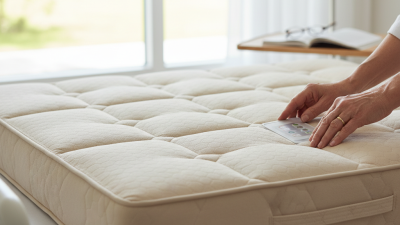
Prevention is key. Regularly changing positions helps relieve pressure. Keeping the skin clean and dry is essential. Moist skin is more susceptible to breakdown. Consider using specialized cushions or mattresses designed to reduce pressure.
Tip: Educate caregivers on the importance of moving patients frequently. Simple reminders can make a big difference. Regular skin checks can catch early signs of pressure damage. Look for redness or discoloration.
Recognizing the impacts beyond physical pain is also important. Cost implications, emotional distress, and prolonged hospital stays add burden. Social interactions may decrease as individuals face mobility challenges. It’s vital to address these issues holistically. Keep lines of communication open. Support systems are essential for those affected.
Evaluating Different Anti-Decubitus Products Available in the Market
When exploring anti-decubitus solutions, it’s essential to assess their features carefully. Various products utilize different materials and technologies. Some utilize advanced pressure relief systems, while others focus on cushioning and support. It can be overwhelming for buyers to choose the right option among so many.
Consider the potential effectiveness of each product. While some may claim to provide optimal support, user experiences can differ significantly. It’s vital to read reviews and personal accounts. Look for products that have been tested in real-life settings. Evaluating feedback is crucial, as actual users can highlight both strengths and weaknesses.
Price also plays a role in decision-making. While lower-cost solutions may seem appealing, they often lack durability and effectiveness. A more expensive option could offer long-term relief and save money in the long run. However, understanding the warranty and return policies is necessary for a secure investment. Balancing cost with functionality requires reflection and research.
Key Features to Consider When Choosing Anti-Decubitus Solutions
When selecting anti-decubitus solutions, focus on comfort and effectiveness. Materials play a crucial role. Breathable, moisture-wicking fabrics help maintain skin integrity. Choose options with advanced pressure redistribution features. These can minimize risk for individuals at risk of sores.
Durability is equally important. A solution may need to withstand regular use over time. Look for items that offer washable and easy-to-repair features. Maintenance factors should also be considered. Simpler care processes lead to better user experiences.
Evaluate the size and portability of the products. Many solutions should easily fit various environments. Consider designs that adapt well to multiple surfaces. In the fast-paced healthcare sector, adaptability can make a significant difference. Always keep personal needs in mind. What works for one individual may not suffice for another.
Top 10 Recommended Anti-Decubitus Solutions for Various Needs
Pressure ulcers, also known as decubitus ulcers, affect millions globally. A report by the National Pressure Injury Advisory Panel (NPIAP) states that these injuries impact 2.5 million patients in the U.S. alone each year. Effective anti-decubitus solutions play a crucial role in prevention and treatment. Various options exist to accommodate diverse needs, from high-tech pressure-relieving mattresses to simple overlays.
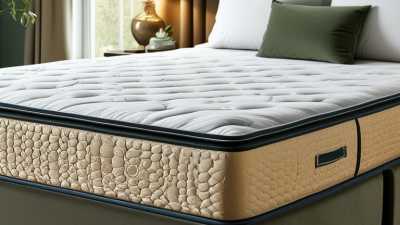
Among the recommended solutions, air-filled and foam mattresses are widely recognized. Certain models offer adjustable firmness, catering to individual patient comfort. Furthermore, specialty cushions for wheelchairs provide essential support. Studies have shown that patients using these aids experienced up to a 35% reduction in ulcer incidence. It’s imperative to consider the unique requirements of each patient; one solution may not fit all.
Despite advancements, some challenges remain. Not all facilities have access to premium products. The cost and training for caregivers can also be significant barriers. Regular assessments and education about innovative solutions are essential. Involving patients and caregivers in decision-making can lead to improved outcomes. Continued research and development are critical to refine and enhance current options.
Top 10 Recommended Anti-Decubitus Solutions for Various Needs
| Solution Type |
Material |
Pressure Relief Duration (Hours) |
Recommended Usage |
Price Range (USD) |
| Air Mattress |
PVC / Nylon |
8-12 |
Bedridden Patients |
150 - 300 |
| Gel Cushion |
Gel / Foam |
6-10 |
Wheelchair Users |
100 - 200 |
| Foam Mattress |
Memory Foam |
4-6 |
General Use |
200 - 400 |
| Alternating Pressure Pad |
Vinyl |
8-12 |
Long-term Care |
200 - 350 |
| Bonded Foam Overlays |
Polyurethane Foam |
4-8 |
Hospital Beds |
100 - 250 |
| Lifting Devices |
Metal / Safety Strap |
N/A |
Repositioning Patients |
300 - 600 |
| Donut Cushions |
Inflatable |
2-4 |
Post-surgery Recovery |
30 - 80 |
| Wedge Cushions |
Memory Foam |
N/A |
Supportive Positioning |
50 - 150 |
| Sheepskin Pads |
Sheepskin |
N/A |
General Comfort |
40 - 100 |
| Pressure Relief Gels |
Gel |
N/A |
All-purpose |
25 - 75 |
Effective Strategies for Preventing Decubitus Ulcers at Home and Healthcare Facilities
Decubitus ulcers, also known as pressure sores, are a significant concern in both home and healthcare environments. These injuries occur when prolonged pressure on the skin restricts blood flow. Frequent position changes are crucial. Rotating patients every two hours can drastically reduce risk. For those with limited mobility, utilizing specialized cushions can offer support.
Maintaining skin integrity is vital. Regular inspection of high-risk areas can catch problems early. Keeping the skin clean and dry is essential. Moisture can lead to skin breakdown. For caregivers, proper training on lifting and repositioning techniques improves outcomes. Yet, many may overlook small details. Even a single forgotten rotation can lead to complications.
A multi-faceted approach is necessary for effective prevention. Nutrition plays a crucial role. A balanced diet supports skin health and promotes healing. Engaging in light physical activity enhances circulation, reducing risk. However, some may find it challenging to implement these strategies consistently. Reflection on personal practices can help identify areas for improvement. Taking proactive steps is essential for safeguarding overall well-being.