Leave Your Message

7 Best Medical Portable Suction Machines for Global Buyers

Choosing a Medical Portable Suction Machine is a clinical decision, not simply a shopping exercise. Global buyers must consider patient safety, suction strength, battery endurance, noise, cleaning, and after-sales support. A compact unit may look impressive, yet perform poorly during transport or emergency airway care.

Respiratory-care expert Dr. Robert M. Kacmarek offers a practical principle: “Airway care must be safe, effective, and repeatable.” This idea guides our review of the 7 Best Medical Portable Suction Machines for Global Buyers. Each model should support dependable secretion removal in ambulances, clinics, hospitals, home-care settings, and remote areas. A clear pressure gauge matters when seconds count. So does a battery that remains reliable during a long transfer.

Real-world details often expose weak products. Can the machine fit beside a stretcher? Can staff operate it while wearing gloves? Is the collection jar easy to remove without spills? These questions matter more than attractive product photographs. Certification, voltage compatibility, replacement parts, and local service also deserve careful attention.

No machine is perfect. Some units sacrifice quiet operation for stronger performance. Others provide excellent portability but limited battery capacity. Buyers may also overvalue maximum vacuum pressure, although controlled and appropriate suction is usually more important. Our comparison highlights these compromises, helping distributors, healthcare providers, and procurement teams make a more informed choice. The final decision should still follow professional clinical guidance and the manufacturer’s instructions.
7 Best Medical Portable Suction Machines for Global Buyers

What Medical Portable Suction Machines Are and How They Work

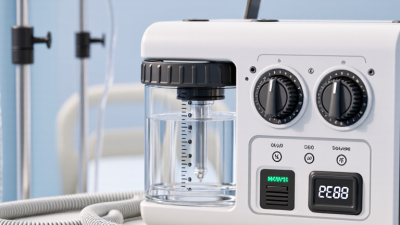
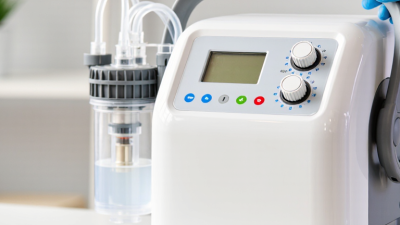
Medical portable suction machines are compact devices that remove mucus, blood, or other fluids from a patient’s airway. They support emergency care, home care, transport, and clinical procedures. Unlike wall-mounted systems, they use rechargeable batteries or vehicle power. Their size matters when care happens beside a bed, inside an ambulance, or outdoors.

A motor creates negative pressure inside the tubing. A sterile or clean catheter then draws fluid through the collection line. The fluid enters a sealed canister, while filters help protect the pump from contamination. Adjustable vacuum levels allow trained caregivers to match suction strength to the patient’s condition. Excessive pressure may injure delicate tissue. Weak pressure may not clear thick secretions. Real performance can also change when the battery is low or the tubing bends.

Tips: Check battery status, tubing connections, canister capacity, and filter condition before use. Follow the manufacturer’s cleaning and replacement instructions. Keep backup power available during transport. A machine can appear powerful but still perform poorly with blocked tubing. This detail is easy to overlook. Users should receive practical training from qualified healthcare professionals and follow local clinical guidance. Availability of spare parts and service support also deserves attention when comparing the seven best options for global buyers.
7 Best Medical Portable Suction Machines for Global Buyers

What Medical Portable Suction Machines Are and How They Work

Portable suction machines remove mucus, blood, vomit, and other secretions by creating negative pressure through a pump, tubing, and collection canister. The chart compares representative, non-brand-specific performance points commonly found across portable medical suction equipment. Actual specifications vary by device, intended clinical use, battery condition, altitude, and local regulatory requirements.

Reference units: maximum vacuum is shown in mmHg and free-air flow is shown in L/min. Clinical suction pressure should always be selected according to the patient, procedure, and applicable medical guidance.

Key Features for Evaluating Portable Suction Machines

When evaluating portable suction machines, start with clinical purpose, not appearance. A unit for emergency transport needs strong negative pressure, stable airflow, and fast setup. Check whether pressure can be adjusted precisely. Excessive suction may injure delicate tissue. Weak airflow may fail when secretions are thick. Both matter.

Battery performance deserves practical testing. Confirm the operating time under real suction, not only the manufacturer’s ideal figure. A clear canister helps staff monitor fluid levels quickly. It should close securely and resist tipping during transport. Look for overflow protection, bacterial filtration, and tubing that connects without force. Noise also matters. Loud motors can increase patient anxiety and hinder communication.

Cleaning requirements often reveal the machine’s true usability. Removable components should tolerate approved disinfectants and dry without hidden moisture. Examine alarm visibility, switch placement, charger compatibility, and spare-part availability. Documentation should include safety testing, maintenance intervals, and market-specific regulatory clearance. During equipment checks, I prefer testing the device with gloves and limited lighting. Small controls can become frustrating then. No scorecard is perfect. Weight, battery age, and filter blockage can change performance over time. A lightweight model may be easier to carry, yet its smaller canister could require frequent emptying. That trade-off deserves clinical review before purchase.

7 Best Medical Portable Suction Machines for Global Buyers - Key Features for Evaluating Portable Suction Machines

Portable Suction Machine Profile Recommended Use Typical Vacuum Range Typical Airflow Collection Capacity Power and Battery Approx. Weight Key Evaluation Points
1. Compact Emergency Unit Ambulances, first-aid teams and emergency transport Up to approximately −75 kPa 20–30 L/min 0.8–1.0 L disposable canister AC mains and rechargeable battery; commonly 30–45 minutes of operation Approximately 3–5 kg Fast start-up, low carrying weight, visible vacuum gauge, battery-status indicator and secure mounting options
2. High-Flow Transport Unit Patient transfer, emergency departments and intensive-care transport Up to approximately −80 kPa 30–40 L/min 1.0–2.0 L reusable or disposable canister AC/DC operation with internal rechargeable battery; commonly 45–60 minutes Approximately 4–7 kg High flow under load, continuous-duty motor, impact-resistant housing and reliable battery charging while connected to vehicle power
3. Home-Care Electric Suction Unit Long-term respiratory care in homes, clinics and nursing facilities Approximately −60 to −80 kPa 15–25 L/min 1.0–1.5 L canister with overflow protection Usually AC powered; selected configurations include a backup battery Approximately 3–6 kg Quiet operation, simple pressure adjustment, washable tubing, easy canister replacement and readily available consumables
4. Dual-Canister Surgical Transport Unit Minor procedures, outpatient rooms and mobile clinical teams Up to approximately −90 kPa 25–40 L/min Two 1.5–2.0 L canisters or a total capacity of 3–4 L AC powered; optional battery configuration may provide approximately 30–60 minutes Approximately 5–9 kg Large fluid capacity, independent overflow protection, stable vacuum control, easy decontamination and secure canister locking
5. Lightweight Battery-Operated Unit Community health services, home visits and remote locations Approximately −50 to −75 kPa 15–25 L/min 0.8–1.0 L canister Rechargeable battery; commonly 45–90 minutes depending on load and battery capacity Approximately 2–4 kg Compact dimensions, replaceable battery option, universal charger availability, charge-level display and protection against overfilling
6. Manual Backup Suction Pump Disaster preparedness, field care and power-failure backup Approximately −40 to −60 kPa, depending on operator effort Intermittent; dependent on manual pumping 0.5–1.0 L collection container No electricity or battery required Approximately 0.5–2 kg Immediate availability during outages, simple maintenance, durable construction and compatibility with standard suction catheters
7. Pediatric Adjustable Suction Unit Pediatric wards, neonatal support areas and specialized home care Adjustable from approximately −20 to −60 kPa 8–20 L/min 0.3–1.0 L canister AC powered; battery backup is available in selected configurations Approximately 2–5 kg Fine vacuum adjustment, low-flow stability, clear pressure markings, low noise and compatibility with small-bore sterile tubing
Buyer note: Specifications shown are representative ranges for medical portable suction equipment and can vary by configuration, regional model, battery capacity and regulatory version. Confirm the exact airflow, vacuum level, operating time, electrical input, consumables and applicable medical-device approvals before purchase.

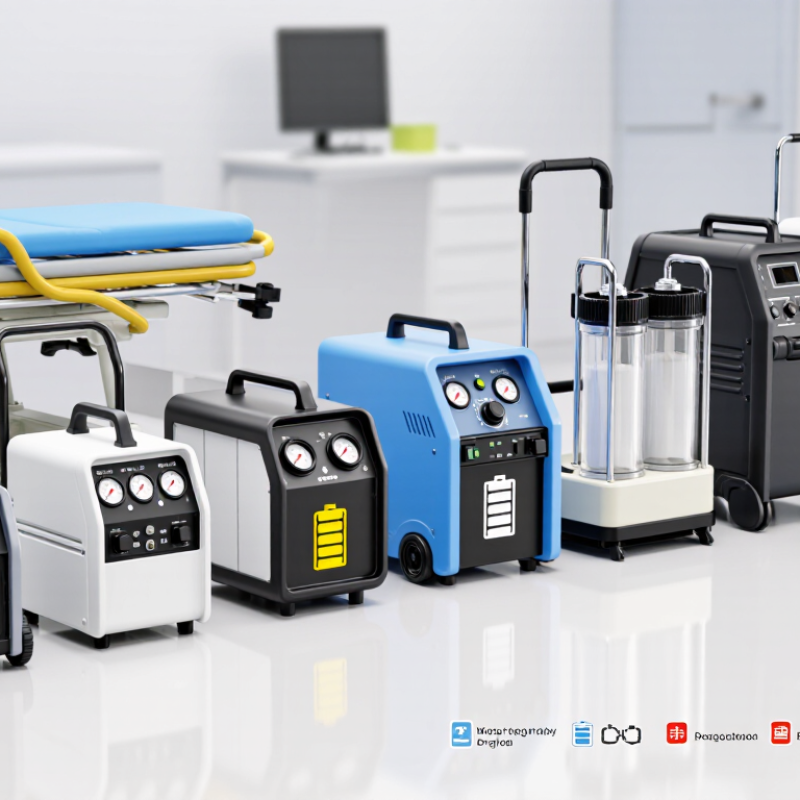
Seven Medical Portable Suction Machines for Different Care Settings

Choosing among the seven best medical portable suction machines depends on the care setting, not only suction strength. A compact battery unit suits home care and community visits. An emergency transport model supports ambulances and roadside response. A lightweight pediatric machine offers gentler control for smaller patients. For clinics, a rechargeable electric unit can handle routine airway clearance. A higher-capacity model fits wards and extended bedside use. A manual foot-powered device may help when electricity is unavailable. A neonatal-focused unit requires precise pressure adjustment and suitable collection containers. Each option should match patient needs, clinical guidance, and local medical-device requirements.

Portability has practical details. Check battery runtime, charging time, noise level, tubing size, and container capacity. A clear overflow protection system reduces contamination risks. Smooth surfaces make cleaning easier after each use. During field testing, confirm that staff can carry the machine with one hand. Test it while wearing gloves. Small controls can become frustrating during emergencies.

Disposable parts may simplify infection control, but their availability varies between countries. Buyers should request technical documents, warranty terms, service support, and user training before ordering. Specifications alone are not enough.

Tips: Compare real operating time rather than advertised battery life. Keep a charged backup battery when transport is unpredictable. Confirm pressure readings with qualified clinical personnel. Review cleaning instructions regularly. A quieter machine may improve patient comfort, yet it might not provide enough capacity for every setting. That trade-off deserves honest review.

How to Choose the Right Machine for Patient and Clinical Needs

Choosing the right portable suction machine starts with the patient, not the product list. A tracheostomy patient may need reliable continuous use, while home recovery may require lighter equipment, quieter operation, and simple cleaning. Confirm the required vacuum range, airflow, collection capacity, battery runtime, and alarm visibility. Fit matters more.

Clinical safety deserves equal attention. The WHO Global Patient Safety Report 2024 estimates that one in ten patients experiences harm during healthcare, with more than half considered preventable.

A suction unit should therefore include bacterial filtration, overflow protection, secure tubing, and clear pressure controls.

The WHO and UNICEF 2023 JMP report also found that one in five healthcare facilities lacked basic water services in 2022. Choose components that can be disinfected safely when water access is limited.

For transport, check the machine’s weight with its battery and full canister. A small unit may fail during repeated emergency use.

Measure the real workload. Review clinical protocols, including AARC guidance on artificial airway suctioning, rather than relying on marketing claims.

Noise is easy to overlook, especially near sleeping children or anxious patients. Battery figures can also disappoint in cold conditions or after aging.

Ask for test data, not just ideal laboratory runtime. A biomedical engineer or respiratory clinician should verify compatibility before purchase.

Safe Use, Cleaning, and Maintenance of Portable Suction Machines

Portable suction machines support airway care in ambulances, clinics, and home settings. Safe operation begins with trained users and the manufacturer’s instructions. Before use, check the canister, tubing, filter, battery level, and vacuum control. Look for cracks or loose connections. Test airflow briefly with clean equipment, not against a person’s skin. Keep emergency supplies nearby, because suction can fail without warning.

Use gloves, eye protection, and other suitable protective equipment during suctioning and cleaning. Select the correct catheter size and use sterile or clean technique as required by the care plan. Never force a catheter or continue when bleeding, distress, or unusual resistance occurs. Stop and seek qualified medical advice. This part is easy to underestimate. Patient condition matters more than machine speed.

After every use, empty the canister carefully and handle secretions as potentially infectious material. Dispose of single-use components according to local healthcare rules. Wash reusable parts with approved detergent, then disinfect them for the stated contact time. Do not immerse electrical components. Allow every part to dry completely before reassembly. Moisture inside tubing can reduce performance. I have seen overlooked filters cause weak suction. Replace filters, tubing, and seals when inspection shows damage or according to the service schedule. Recharge batteries safely, avoid extreme temperatures, and arrange professional testing if alarms, gauges, or suction levels seem unreliable.