Leave Your Message

China Top 10 Portable Suction Machine Manufacturers?

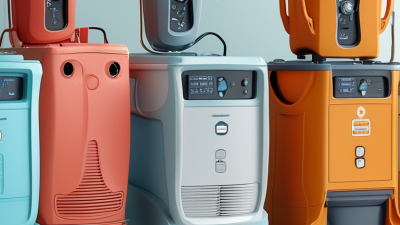
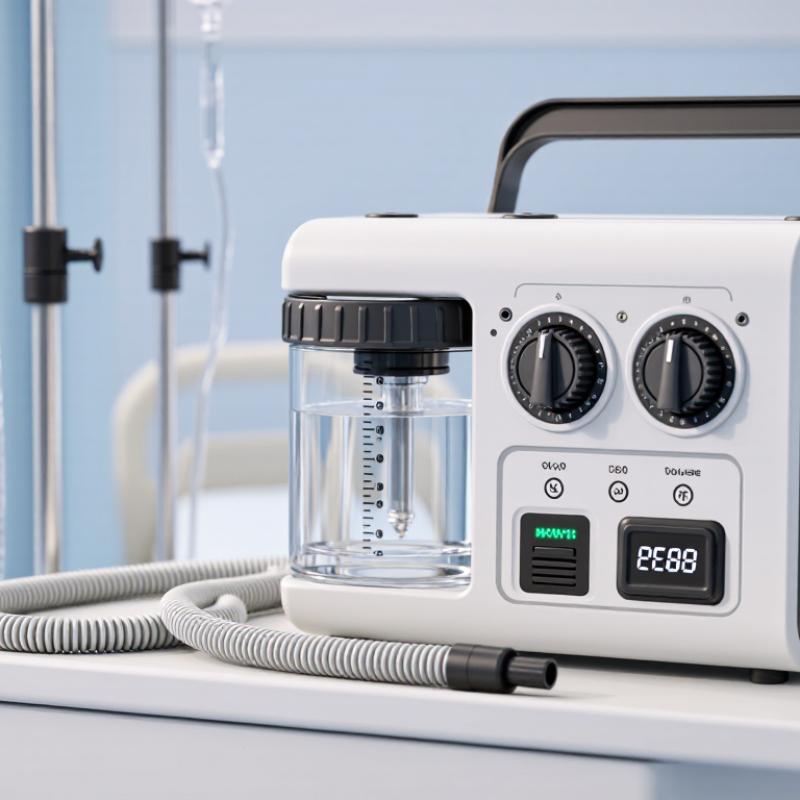
China Top 10 Portable Suction Machine Manufacturers is designed to help buyers compare suppliers with greater confidence. A Portable Suction Machine may look compact, yet its performance depends on several practical details. These include suction pressure stability, battery endurance, collection bottle capacity, noise level, and cleaning access. In hospitals, ambulances, clinics, and home-care settings, small design choices can affect daily workflow. A reliable unit should start quickly, maintain consistent vacuum performance, and remain manageable during transport.

This overview considers manufacturers through product quality, engineering capability, production experience, documentation, and customer support. Public company information, product specifications, certifications, and available market feedback can provide useful evidence. However, supplier claims should still be checked directly. Ask for test reports, warranty terms, replacement-part availability, and user manuals before making a purchasing decision. Certification requirements may also vary by destination market, so buyers should confirm applicable medical-device rules locally.

Details matter.

Some manufacturers offer strong customization, while others focus on standardized models and faster delivery. Portable units with rechargeable batteries may support emergency use, but battery aging can reduce real-world operating time. A larger canister may extend service intervals, yet it can increase weight. This guide recognizes those trade-offs instead of presenting every supplier as perfect. The final selection should match clinical needs, expected usage frequency, budget, and after-sales expectations. Careful comparison remains essential, because a polished brochure cannot replace dependable performance in a demanding medical environment.
China Top 10 Portable Suction Machine Manufacturers?

What Is a Portable Suction Machine?

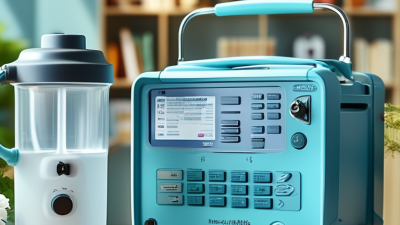
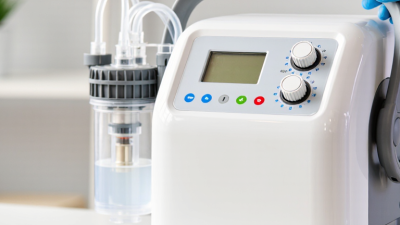
A portable suction machine is a compact medical device that removes mucus, saliva, blood, or other fluids from an airway. It uses controlled negative pressure to move fluid through tubing into a sealed collection jar. Unlike a wall-mounted unit, it usually includes a rechargeable battery, allowing use during home care, transport, or emergency movement. A typical system contains an electric pump, suction tubing, a patient connector, filters, and a collection container. It is not an oxygen device. This distinction matters when planning respiratory support.

Safe operation requires guidance from a qualified healthcare professional. Suction pressure should match the patient’s age, condition, and clinical needs. Excessive pressure may damage delicate tissue, while weak suction may not clear secretions effectively. Users should inspect the battery, tubing, filters, and jar before use.

Small details matter. The container must be emptied and cleaned according to the instructions, and disposable parts should be replaced as required. When comparing equipment, consider vacuum range, airflow, battery duration, noise, jar capacity, weight, and service support. Portability is not everything. A light device becomes inconvenient if its battery fails quickly or its controls are difficult to read. Local medical-device requirements and professional advice should guide the final choice.
Key Types and Applications of Portable Suction Machines

Portable suction machines differ by power source, airflow, pressure control, and intended setting. Manual models use a hand-operated pump and suit low-resource transport or short emergency procedures. Battery-powered machines provide greater consistency during ambulance transfers, bedside care, and home recovery. Some units accept both rechargeable batteries and AC or vehicle power. That flexibility matters when charging access is uncertain.

Clinical applications vary. Emergency teams may use portable suction to clear oral secretions, blood, or vomit from an airway. In home care, caregivers may support patients with weak coughs or tracheostomies, but only after professional instruction. Dental and minor procedural settings often require compact devices with reliable collection containers. High-flow models can manage heavier fluid loads, while lightweight units are easier to carry. Small is not always better.

When comparing the top ten manufacturer categories, examine adjustable vacuum levels, battery duration, canister volume, filter design, noise, and cleaning requirements. A clear lid helps staff monitor fluid levels. An alarm can reveal a blocked tube or weak battery. I have found that published specifications rarely show the whole experience; awkward tubing can slow real work. Testing gloves-on handling is useful. Maintenance instructions should be simple, documented, and realistic for the intended user. These details support safer selection more than appearance alone.

Criteria for Ranking China’s Top Manufacturers

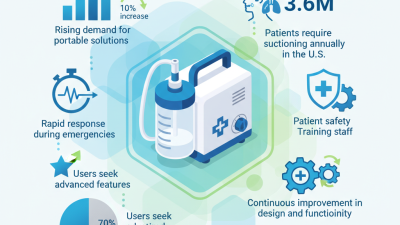
China’s portable suction machine sector deserves more than a price-based ranking. Fortune Business Insights reported continued global growth in the medical suction devices market, driven by emergency care, home healthcare, and outpatient procedures. Therefore, a credible ranking should examine production capacity, product consistency, and after-sales support.

Quality evidence matters most. Manufacturers should provide valid ISO 13485 certification, complete risk-management records, and testing aligned with IEC 60601-1 and applicable Chinese standards. Practical evaluation should include suction pressure stability, airflow recovery, battery endurance, noise levels, and container sealing. A unit may look strong in a catalogue but perform differently after repeated cleaning cycles. Export history, audited factory records, regulatory registration, and transparent complaint handling also improve reliability. These indicators reflect both experience and professional discipline.

Tips: Ask for independent test reports, not only factory certificates. Request three production samples. Compare them under identical loads. Check performance after battery aging and filter replacement. The World Health Organization emphasizes equipment safety, maintenance, and user training in healthcare systems, so technical support should influence the ranking. A low quotation can hide weak spare-parts access or delayed repairs. Still, no ranking is perfect; public export data may be incomplete, and certification alone cannot prove long-term field performance. A careful buyer should combine documents, hands-on testing, customer references, and factory inspections.

Profiles of China’s Top 10 Portable Suction Machine Manufacturers

China’s Top 10 Portable Suction Machine Manufacturers

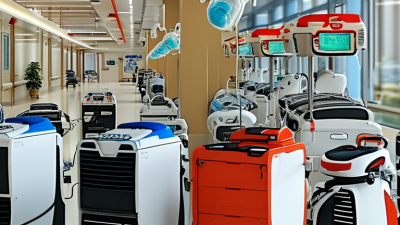
The ten profiled manufacturers reflect China’s broad portable suction equipment supply chain. Some focus on compact emergency units, while others produce rechargeable models for ambulances and home care. Several factories combine injection molding, battery assembly, and final testing under one roof. This improves traceability, although quality can still vary between production batches.

Market evidence supports steady demand. Grand View Research estimated the global medical suction devices market at about USD 1.8 billion in 2023. Its report also expects continued growth through 2030, driven by emergency care, surgery, and home healthcare. The top ten Chinese profiles typically emphasize adjustable vacuum control, low noise, lightweight housings, and overflow protection. Their strongest differences appear in battery endurance, pump stability, and service support. These details matter beside a hospital bed, where a few minutes of lost suction can create serious pressure.

Tips: Check vacuum performance under load, not only empty-tank testing. Ask for battery cycle data, alarm verification, and cleaning instructions. ISO 13485 certification is useful evidence, but it is not a complete quality guarantee. Request recent test records and inspect sample units personally. A practical review may reveal small weaknesses, such as stiff tubing connectors or unclear labels. Those imperfections deserve attention before large-volume purchasing.

China Top 10 Portable Suction Machine Manufacturers? - Profiles of China’s Top 10 Portable Suction Machine Manufacturers

Profile Main Product Focus Typical Application Power Configuration Maximum Vacuum Airflow Range Collection Capacity Typical Net Weight Quality & Compliance Focus Export & Customization Capability
Profile 01 Compact electric suction units Home care, clinics and basic emergency use AC 100–240 V; optional rechargeable battery Approximately −75 kPa 15–30 L/min 1–2 L 2.5–4.5 kg ISO 13485 quality-management structure; medical-device risk controls Private-label housing, labeling and packaging options; overseas distributor support
Profile 02 Portable emergency aspirators Ambulances, first-aid teams and transport applications AC/DC input with 12 V vehicle connection Approximately −80 kPa 20–40 L/min 1–2 L 3–6 kg Electrical safety testing, EMC assessment and battery protection design Supports multilingual manuals, regional plugs and transport-case configurations
Profile 03 High-vacuum portable suction systems Operating rooms, procedure rooms and hospitals AC mains; rechargeable battery option Approximately −90 kPa 30–50 L/min 2–4 L 5–9 kg Overflow protection, bacterial filtration and reusable or disposable collection options OEM control-panel layouts and collection-system compatibility available
Profile 04 Battery-operated field suction devices Remote medical services, disaster response and home visits Rechargeable lithium or sealed lead-acid battery Approximately −70 kPa 15–35 L/min 1–2 L 2–5 kg Battery-cycle testing, charger safety and ingress-protection considerations Portable cases, shoulder straps and localized charging systems can be configured
Profile 05 Low-noise household suction machines Long-term respiratory care and nursing facilities AC 100–240 V; optional battery backup Approximately −65 kPa 10–25 L/min 1–2 L 2–4 kg Noise-reduction design, easy-clean surfaces and disposable filter compatibility Suitable for home-care channels; supports carton and accessory customization
Profile 06 Dual-purpose surgical and emergency aspirators Clinics, dental practices and minor procedure centers AC mains with optional DC backup Approximately −85 kPa 25–45 L/min 2–3 L 4–8 kg Autoclavable accessories, overflow shutoff and serviceable pump assemblies Offers configurable tubing connectors, canisters and regional compliance files
Profile 07 Lightweight pediatric and neonatal suction units Pediatric wards, neonatal transport and home nursing AC/DC operation with adjustable battery package Approximately −60 kPa 8–20 L/min 0.5–1.5 L 1.5–3.5 kg Fine vacuum adjustment, secure tubing connections and compact ergonomic design Can support pediatric accessory kits and application-specific control ranges
Profile 08 Heavy-duty portable suction equipment Hospitals, intensive care support and extended procedures AC mains; optional high-capacity battery Approximately −90 kPa 35–60 L/min 3–5 L 7–12 kg Continuous-duty motor design, thermal protection and replaceable bacterial filters Designed for institutional procurement and long-term service programs
Profile 09 Modular suction platforms for OEM projects Medical-equipment integrators and private-label programs AC, DC and battery configurations Approximately −80 to −90 kPa 15–55 L/min 1–5 L 3–10 kg Design documentation, incoming inspection and production traceability programs Strong focus on OEM/ODM development, custom molds and engineering changes
Profile 10 Value-oriented portable suction product lines General clinics, distributors and developing healthcare markets AC 100–240 V; selected DC models Approximately −70 to −80 kPa 15–35 L/min 1–3 L 2.5–6 kg Basic medical-device quality controls, electrical safety checks and final inspection Competitive for distributor orders, mixed containers and private-label packaging

Note: Manufacturer names and brands are intentionally anonymized. Technical values represent commonly published specification ranges for comparable portable suction-machine product categories and may vary by model, configuration and market.

How to Evaluate and Select a Chinese Supplier

Selecting a Chinese portable suction machine supplier requires more than comparing catalog prices. Check the factory’s medical-device experience, production capacity, and quality controls. Request current certifications, test reports, and registration documents. Do not rely on scanned files alone. Verify certificate numbers with the issuing organization where possible.

Ask for a sample before discussing large orders. Test suction pressure, battery duration, noise, charging stability, and collection-container sealing. Record the results under repeated use. Inspect tubing connections and plastic surfaces for cracks or rough edges. Small details matter in clinical environments. They often reveal process weaknesses. A factory audit can show whether inspection stations are active or merely decorative. Review incoming-material records, calibration labels, and final inspection reports.

Communication also deserves careful testing. Send detailed specifications, drawings, packaging requirements, and labeling rules. Measure how accurately the supplier responds. A capable team should explain tolerances, replacement parts, warranty limits, and expected lead times. Ask how it handles failed units and delayed components. Get these points in writing. Cheap quotes can hide tooling fees, battery substitutions, or unstable shipping schedules. I sometimes focus too heavily on technical data and overlook after-sales speed. That is a costly mistake. A reliable supplier should provide traceable serial numbers, user manuals, spare-part availability, and clear corrective-action procedures. Check references from comparable buyers, but treat every reference as one piece of evidence.