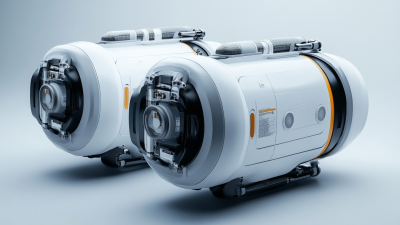
China’s medical-device market includes many suppliers of the Handheld Sputum Extractor. However, finding a dependable partner requires more than comparing online prices. Buyers should examine suction stability, collection capacity, battery endurance, noise levels, and cleaning procedures. A compact unit may look impressive, yet its performance can decline after repeated use.
Dr. Li Ming, a respiratory-care and medical-device consultant, offers a practical reminder: “A reliable extractor must protect the patient, support the caregiver, and remain consistent after many uses.” This principle gives supplier research a clearer direction. It encourages buyers to request technical files, test reports, user manuals, and maintenance guidance before placing an order. Factory experience also matters. A supplier producing hospital suction systems may understand quality control better than a trading company with limited technical support.
Strong suppliers usually explain their production process clearly. They can discuss pump design, bacterial filters, overflow protection, charging systems, and replacement parts without hesitation. They should also provide realistic information about certifications and intended applications. Do not accept vague promises.
Still, supplier selection is not perfectly simple. Product quality can vary between batches, and attractive samples may not represent long-term performance. This is where many evaluations become weak. Independent testing, small trial orders, and direct communication with engineers can reduce uncertainty. The best China supplier is not always the cheapest one. Reliability, documentation, responsiveness, and after-sales service may matter more when the device is used beside a patient’s bed.
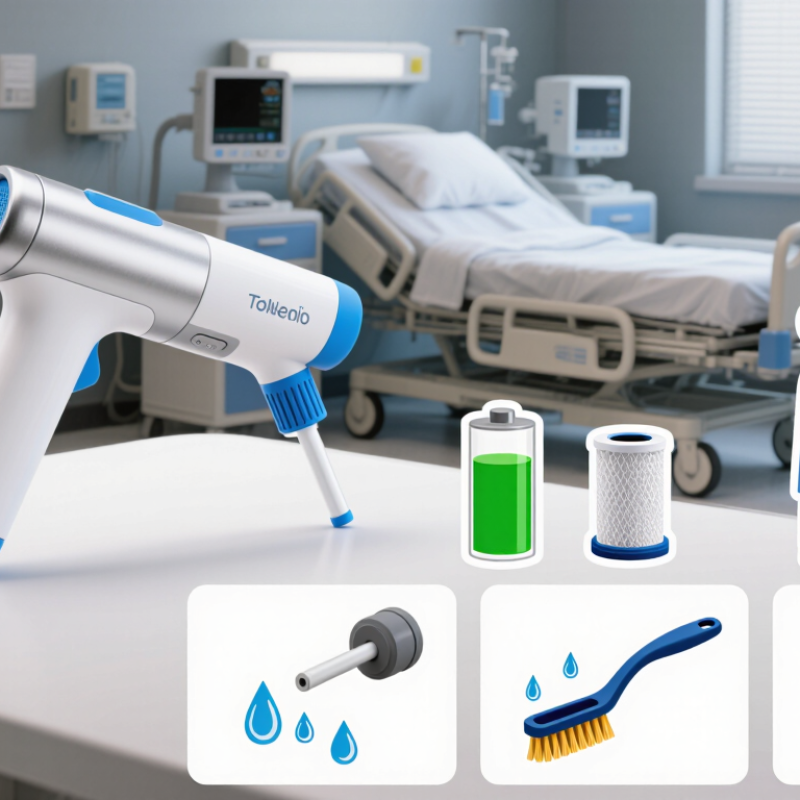
Global demand for handheld sputum extractors is rising with tuberculosis pressure. The WHO Global Tuberculosis Report 2024 estimated 10.8 million people developed TB in 2023. It also reported about 1.25 million deaths, despite TB being preventable and treatable.
The need is urgent. Portable extraction devices can support sputum collection in clinics, mobile units, and rural screening programs. They do not diagnose TB independently. However, consistent sample handling can improve the workflow before molecular testing. WHO guidance emphasizes bacteriological confirmation whenever possible, especially through rapid diagnostic methods.
Procurement teams should assess suppliers against practical evidence, not marketing claims. Important checks include extraction consistency, battery endurance, cleaning procedures, noise levels, and compatibility with approved collection containers. ISO 13485 quality systems can indicate stronger manufacturing controls. The WHO technical specifications for medical devices also support clearer purchasing decisions.
Demand is not perfectly predictable. Treatment coverage, laboratory access, and local infection patterns vary widely. A 2024 WHO report noted that millions of people with TB remained undiagnosed or unreported in 2023. That gap creates a real need for field-ready equipment, but it also exposes a weakness: a handheld device is useful only when trained staff, validated tests, and reliable referral systems are available.
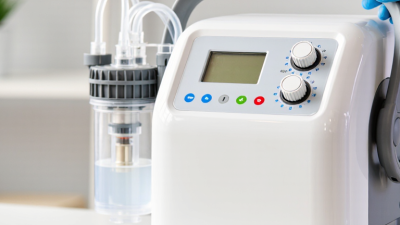
China Top Handheld Sputum Extractor Suppliers: Airflow, Suction, and Capacity Metrics
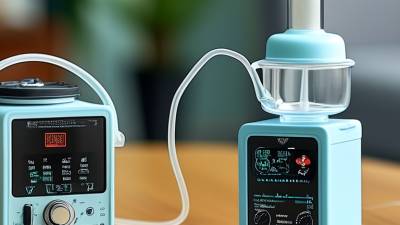
When comparing Chinese handheld sputum extractor suppliers, examine performance under working conditions, not only catalog numbers. Airflow is usually listed in liters per minute, while suction pressure appears in kPa or mmHg. A higher airflow can clear secretions quickly, but narrow tubing may reduce actual performance. Ask suppliers for test results using the complete tube, filter, and collection bottle.
Suction stability matters during repeated clinical use. A device should maintain negative pressure when the canister begins filling. Check startup time, maximum vacuum, and recovery after blocking the tube briefly. Practical testing should also measure noise, battery endurance, and heat near the motor. Small details matter here. A quiet unit is easier to use beside a patient.
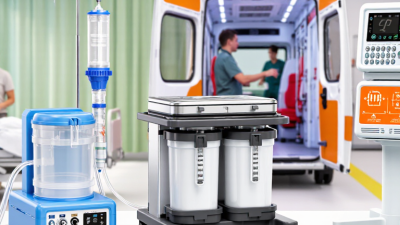
Capacity affects handling and cleaning. Common collection volumes may range from compact containers to larger reservoirs, but the useful capacity is lower than the printed maximum. Overflow protection, sealed lids, and visible fill markings deserve close inspection. A clean datasheet can still mislead. Suppliers should provide calibration methods, material information, and repeatability data. I would also request samples from different production batches, because one successful test does not prove consistent manufacturing. Specification gaps are worth questioning.
| Evaluation Dimension | Typical Technical Range | Common Configuration | Why It Matters | Recommended Verification Point |
|---|---|---|---|---|
| Airflow at open outlet | 8–25 L/min | Compact diaphragm pump | Higher airflow generally improves the removal speed of liquid secretions when the catheter is not obstructed. | Request the test method, operating voltage, and airflow measurement point. |
| Maximum negative pressure | −40 to −75 kPa | Adjustable regulator with pressure gauge | Controlled suction helps balance secretion removal performance and patient comfort. | Confirm maximum vacuum, working vacuum, tolerance, and whether the value is measured at the pump or patient port. |
| Collection bottle capacity | 250–1,000 mL | Reusable or disposable transparent container | Larger containers reduce emptying frequency, while smaller containers improve portability. | Check usable volume, maximum fill line, sealing performance, and cleaning or disposal instructions. |
| Overflow protection | Float shut-off and hydrophobic filter | Dual protection system | Helps prevent liquid from entering the pump and reduces contamination risk. | Verify shut-off response, filter replacement interval, and performance after repeated cleaning cycles. |
| Battery type | Rechargeable lithium-ion or sealed lead-acid | Internal battery with AC adapter and charging indicator | Battery selection affects portability, weight, charging time, and operating reliability. | Ask for battery capacity, charging time, operating time at working vacuum, and replacement availability. |
| Typical operating time | 30–90 minutes per charge | Intermittent-use operation | Longer runtime is useful for home care, transport, and emergency backup use. | Compare runtime under actual suction load rather than no-load standby conditions. |
| Noise level | Typically 45–65 dB(A) | Vibration-isolated pump housing | Lower noise can improve patient comfort and make the device more suitable for indoor care. | Require distance, room condition, load condition, and measurement standard for the dB(A) claim. |
| Device weight | 1.5–5.0 kg | Integrated handle and battery compartment | Lower weight improves transportability but may limit battery size or collection capacity. | Check whether the stated weight includes the battery, bottle, tubing, and accessories. |
| Tubing connection | Commonly 6–8 mm internal diameter tubing | Barbed or stepped connector | Correct tubing size reduces leakage, flow restriction, and accidental disconnection. | Confirm connector dimensions, material compatibility, kink resistance, and replacement tubing supply. |
| Power input | 100–240 V AC adapter; optional 12 V DC input | Universal medical-grade power supply | Wide input compatibility supports different hospital, home-care, and transport environments. | Verify input range, output rating, plug type, electrical protection, and applicable market approvals. |
| Pump technology | Oil-free diaphragm pump | Single- or double-head diaphragm design | Oil-free pumps reduce maintenance requirements and avoid oil contamination in the airflow path. | Request pump-cycle testing, diaphragm service life, thermal protection, and maintenance instructions. |
| Control method | Mechanical knob or digital pressure control | Pressure gauge, LED indicators, or digital display | Clear controls support repeatable suction settings and easier operation by caregivers. | Evaluate gauge readability, adjustment accuracy, alarm visibility, and operation with gloves. |
| Cleaning and sterilization | Removable fluid-path components | Autoclavable or single-use collection components, depending on design | Accessible fluid-path parts simplify infection-control procedures and reduce cross-contamination risk. | Check validated temperature, exposure time, compatible disinfectants, and component replacement intervals. |
Selecting a handheld sputum extractor in China requires more than comparing suction pressure and quotations. During supplier reviews, I examine ISO 13485 certificates, audit scope, and certificate validity. The certificate should cover the actual device and manufacturing site. A generic quality certificate is not enough.
IEC 60601-1 evidence deserves careful checking. Request the complete test report, not only a certificate image. Review leakage current, insulation, grounding, battery charging, and abnormal-operation results. Ask whether the tested model matches the proposed unit. Small changes can matter. Inspect the sample physically, including tubing connections, collection containers, labels, and alarm behavior.
NMPA compliance depends on the device’s intended use and classification. Confirm the applicable registration or filing status through official records. Check the Chinese instructions, product name, model number, and registration details against the sample. Production authorization and post-market procedures also require verification. I once focused too heavily on a supplier’s polished technical file and missed inconsistent serial-number records. That was my mistake. A second audit of traceability, complaint handling, sterilization controls, and incoming inspection is worthwhile. Request recent batch records and calibration evidence. If a supplier refuses reasonable documentation, procurement should pause, even when the price looks attractive.
China Top Handheld Sputum Extractor Suppliers?
A useful supplier comparison starts with verified output, not catalog claims. Check suction performance under load, airflow stability, noise, and filter resistance. A device may show strong laboratory output but perform differently with a full canister. Request test records from recent production batches. Small details matter.
Battery life should be measured during continuous clinical use, not standby mode. Ask whether the quoted runtime includes maximum suction, alarm use, and filter replacement. A practical comparison records charging time, battery type, and replacement cost. Output consistency matters more than an impressive peak number.
MOQ can range from sample orders to several hundred units, depending on customization. Confirm whether logos, packaging, plugs, and color changes raise the MOQ. Lead time should separate sample approval, production, inspection, and shipping. A short promise may hide delays. Certifications also need careful checking. Request valid documents, test reports, and the exact model number on each certificate. Applicable requirements differ by destination market. Do not accept a generic certificate as proof of full compliance. In my view, the weakest comparison is often the most polished one. Supplier responses can be incomplete, especially for battery testing and after-sales support. Keep written records, compare like-for-like specifications, and allow extra time for inspection.
When evaluating China’s top handheld sputum extractor suppliers, purchase price is only the visible figure. A lower quote can hide battery replacement, tubing waste, calibration, training, and delayed service. Build a three-year TCO sheet with unit cost, consumables, freight, maintenance, and downtime. Ask for documented service intervals and realistic response times. Get it in writing.
Validation should match the intended clinical workflow, not a polished demonstration. Request operating noise, suction range, battery endurance, container capacity, and cleaning instructions. Test samples under controlled conditions with trained users, then record results and deviations. Check electrical safety documents, quality records, traceability, and change-notification procedures before approval. One overlooked detail matters: a connector that loosens during transport can interrupt care. I would not accept vague promises, although procurement teams sometimes do.
Tips: Compare at least three suppliers, but compare evidence, not brochures. Require a sample unit, inspection checklist, spare-parts list, warranty scope, and escalation contact. Use acceptance criteria for suction performance, charging, cleaning, packaging, and user training. Keep a small contingency allowance; perfect forecasts rarely survive hospital reality. Pilot before scaling.