Leave Your Message

2026 Best Secretion Suction Machine for Hospitals?

Hospitals do not choose suction equipment by headline claims alone. They need dependable performance at the bedside, in emergency rooms, and during patient transfers. The 2026 search for the best Secretion Suction Machine should begin with clinical needs, not a favorite brand. Consider secretion type, expected frequency of use, required vacuum range, and who will operate the device. A quiet pump matters in a shared ward. So does a canister that staff can check quickly, even with gloves on.

Respiratory-care expert Robert M. Kacmarek is known for work in mechanical ventilation and respiratory care. A practical paraphrase of the field’s equipment-selection principle is: “Match the suction system to the patient, procedure, and care setting.” This is a paraphrase, not a verified direct quotation. Buyers should also compare flow control, bacterial filtration, overflow protection, portability, cleaning steps, service support, and replacement-part availability. Ask for evidence from product testing and confirm that specifications fit local clinical protocols. Then check whether staff can use the controls under pressure. Small details count. A confusing dial can slow a routine task. No single model suits every hospital, and a polished specification sheet cannot prove bedside usability. That point deserves a second look. This guide compares practical selection factors and product capabilities, while leaving patient-specific decisions to qualified clinicians.
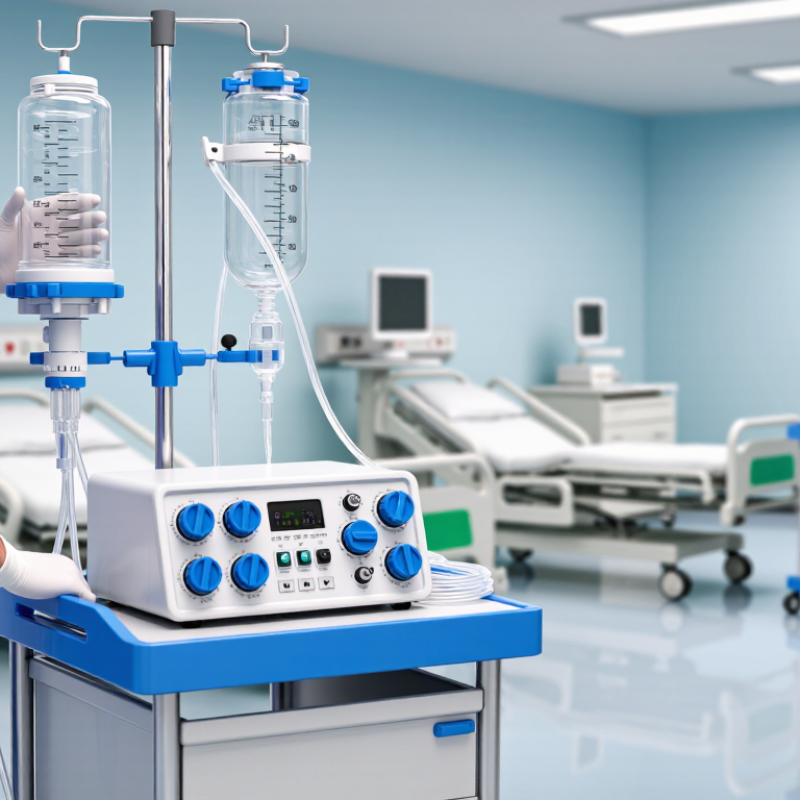
2026 Best Secretion Suction Machine for Hospitals?

What Is a Secretion Suction Machine Used in Hospitals?

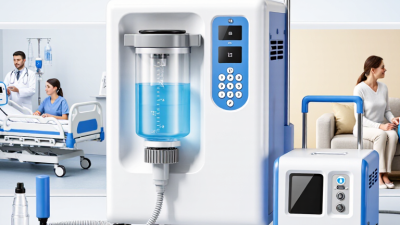
In a hospital, a secretion suction machine helps remove mucus, saliva, blood, or other fluids when a patient cannot clear them effectively by coughing. It may be used in the mouth, nose, or airway, including through a tracheostomy tube. The aim is to keep the airway clearer and make breathing or routine care easier. It does not provide oxygen.

The setup usually includes a suction unit, tubing, a collection container, and a suitable catheter or oral suction tip. A nurse or respiratory therapist assesses the patient and selects an appropriate suction level and method. During care, they watch for changes such as coughing, discomfort, altered oxygen readings, or bleeding. Small details matter. A full container, loose connection, or blocked filter can reduce suction, so equipment checks are part of safe use.

Suction is not needed for every patient, and repeated or overly deep suctioning can irritate airway tissue or lower oxygen levels. Clinicians follow hospital protocols, use infection-control precautions, and reassess whether another attempt is needed. Even experienced teams must judge carefully; secretions can return quickly, and a clear sound alone does not prove the airway is fully clear. The machine supports clinical care, but patient assessment guides its use.
How Does a Hospital Suction Machine Work?

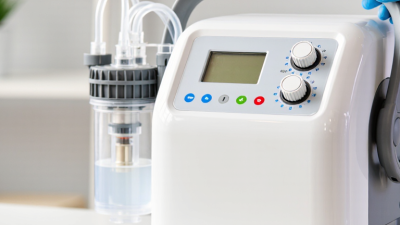
A hospital secretion suction machine removes mucus and other airway secretions when a patient cannot clear them effectively. Its pump draws air from a sealed collection system, creating negative pressure. The pressure difference moves secretions through the catheter and tubing into a canister. The machine does not “pull” mucus by itself; controlled suction creates the flow.

A regulator sets the suction level, while a gauge helps staff check it. The canister holds collected fluid, and an overflow shutoff or filter helps protect the pump. Before use, trained clinicians check the tubing, connections, and prescribed settings. They select the pressure according to the patient’s needs and hospital protocol. More suction is not automatically better.

Watch the patient, not just the gauge. Staff monitor breathing, comfort, and the amount and appearance of secretions, stopping if concerns arise. Suction can irritate tissue or affect oxygen levels, so it should be used only when clinically indicated. Afterward, disposable parts are discarded and reusable equipment is cleaned according to facility procedures. The sequence sounds simple. It is not always simple at the bedside. A steady reading helps, but it cannot replace clinical judgment.

What Types of Suction Machines Do Hospitals Use?

2026 Best Secretion Suction Machine for Hospitals?
What Types of Suction Machines Do Hospitals Use?

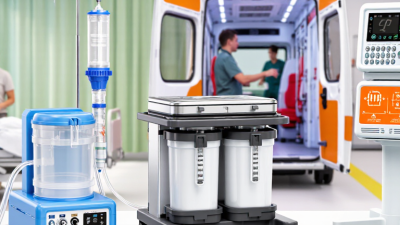
Hospitals commonly use central vacuum systems, portable electric suction units, and transport-ready devices. Central systems connect to wall outlets in patient rooms and procedure areas. Staff use a regulator, collection canister, and appropriate tubing to manage suction. These units support routine bedside care. But they cannot travel with a patient.

Portable electric units provide suction where wall outlets are unavailable, including treatment rooms and transfers. Battery-powered models can help during transport, while manual devices may suit limited emergency situations. Operating-room suction may handle larger fluid volumes, so it is not automatically a substitute for airway secretion management. The right device depends on the task, patient, and clinical protocol. Details matter. One easy-to-miss point is whether battery life, canister capacity, and alarms suit the intended use.

Tips: Check pressure settings, tubing connections, filters, and canister limits before use. Confirm battery charge for transport, and follow facility cleaning and maintenance procedures. A checklist helps, though it cannot replace clinical judgment.

2026 Best Secretion Suction Machine for Hospitals? - What Types of Suction Machines Do Hospitals Use?
Type Common Hospital Location Vacuum Source Typical Use Key Advantages Selection Considerations
Wall-mounted suction system Patient rooms, intensive care units, emergency departments, and operating rooms Central medical vacuum pipeline, used with a wall outlet, regulator, tubing, and collection canister Routine airway secretion removal and other bedside suction procedures Readily available at equipped bedsides; avoids a separate motor at the point of use Requires compatible outlets and properly maintained central vacuum infrastructure. The regulator, tubing, and collection system must suit the intended clinical use.
Portable electric secretion aspirator Transport, ambulances, clinics, and areas without a wall outlet Built-in electric pump powered by mains electricity, a rechargeable battery, or both Intermittent removal of airway secretions when fixed wall suction is unavailable Can be moved between care areas; battery operation can support use away from mains power Check battery runtime, charging arrangements, portability, canister capacity, alarm features, and cleaning instructions.
Mobile electric suction unit Operating rooms, procedure rooms, recovery areas, and bedside care Electric vacuum pump mounted on a wheeled cart or stand Procedures or care settings that need a dedicated mobile source of suction Can be positioned near the patient and moved between suitable locations Assess mobility, stability, noise, power requirements, collection capacity, and whether the unit is intended for airway or procedural suction.
Surgical suction aspirator Operating rooms and procedure rooms Dedicated electric pump or a connection to the facility vacuum system Removal of blood and fluids from a surgical field or procedure site Designed for procedural fluid removal; may offer higher flow capacity than a compact secretion aspirator Do not assume a surgical aspirator is interchangeable with an airway suction device. Confirm intended use, accessories, and applicable clinical requirements.
Manual emergency suction device Emergency kits, transport settings, or locations where powered suction is unavailable Hand-operated mechanical pump Emergency suction when electrical or central vacuum sources are not accessible Does not depend on mains electricity or a charged battery Requires operator effort and may provide less consistent suction than powered equipment. Check readiness, compatible catheters, and cleaning or single-use instructions.
Neonatal or pediatric suction setup Neonatal and pediatric care areas Usually a wall vacuum regulator or compatible portable suction unit Care requiring equipment and accessories appropriate to smaller patients Can be configured with suitable regulators, tubing, and patient-appropriate accessories Use pressure limits and procedures specified by the clinical protocol and equipment instructions; adult settings should not be assumed suitable.
Selection note: “Best” depends on the intended use, care location, patient population, required mobility, power availability, collection system, cleaning workflow, and local clinical protocols. Equipment specifications and accessories vary by model; verify them against the manufacturer’s instructions and hospital requirements.

Which Features Matter When Choosing a Hospital Suction Machine?

2026 Best Secretion Suction Machine for Hospitals?

Which Features Matter When Choosing a Hospital Suction Machine?

A hospital suction machine should deliver stable, adjustable negative pressure—not simply the highest pressure on its dial. The American Association for Respiratory Care’s 2022 suctioning guideline recommends keeping suction pressure below 200 mmHg for adults and below 120 mmHg for neonates. These are clinical ceilings, not targets for every patient. Choose clear controls, an easy-to-read gauge, and a regulator that holds its setting during use. Staff should be able to check performance quickly, even in a noisy ward.

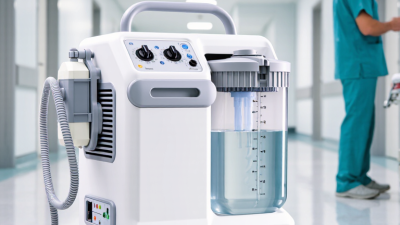
Capacity and safety details matter. A transparent, graduated canister makes fill levels visible at a glance; an overflow shutoff and suitable bacterial filter help protect the unit. For transport, check battery runtime, charging options, handle design, and whether the device remains stable beside a bed. ISO 10079-1:2015 covers electrically powered medical suction equipment, including performance and safety requirements. Confirm that the model’s documentation supports your intended clinical environment. Noise and cleaning time deserve attention too. They are easy to overlook.

Tips: Before purchase, ask clinical engineering to test pressure accuracy, alarm function, and battery runtime under realistic conditions. Compare cleaning steps with your infection-control workflow. A feature list can look perfect on paper; daily usability may tell a different story.

How Can Hospitals Compare Suction Machines in 2026?

2026 Best Secretion Suction Machine for Hospitals?

How Can Hospitals Compare Suction Machines in 2026?

Hospitals should compare suction machines by intended use, not headline vacuum numbers. A unit used at bedside may need different mobility, noise, and power features than one assigned to transport or procedure rooms. Start with clinical teams’ expected secretion volume and frequency. Then check flow rate and adjustable vacuum range against local protocols. Test performance with realistic tubing and catheter setups, not just catalog conditions. Specs can mislead.

Canister size, overflow protection, filters, and clear level markings shape daily use. Staff should spot a full container quickly, change liners without spills, and clean reusable parts as instructed. Test alarms in a noisy ward. Check battery runtime during a real shift, including standby time, and confirm charging access. Small details matter.

Compare sound levels, weight, handle design, wheel stability, and accessory availability in the rooms where units will be used. Ask biomedical engineering to review service intervals, replacement parts, electrical safety documents, and repair response times. A low purchase price may not mean low ownership cost. Include nurses and respiratory therapists in hands-on trials; they may notice awkward controls or tubing that kinks. No single score settles every trade-off. Record why a machine suits each care area, then revisit the choice after staff have used it.