Leave Your Message
Choosing a Secretion Suction Machine in 2026 requires more than comparing prices, motor power, or attractive product photographs. The correct choice begins with the patient. Consider secretion thickness, suction frequency, mobility needs, age, and the care environment. A home user may need quiet operation and a dependable battery. A hospital team may prioritize continuous performance, high-flow capability, alarms, and easy canister replacement.
Respiratory-care expert Dr. Dean R. Hess offers a useful principle: “Airway clearance must be effective, safe, and tailored to the patient.” This idea should guide every specification. Check the adjustable vacuum range, airflow, tubing size, bacterial filtration, overflow protection, noise level, and emergency backup. Confirm that the device includes clear instructions and has appropriate medical-device documentation for your market. Do not assume that a stronger pump is automatically better. Excessive suction can cause discomfort or tissue injury when used incorrectly.
Real-world details matter. A full canister should be easy to see and empty safely. Controls should remain understandable under poor lighting. A portable unit should survive transport, charging interruptions, and repeated cleaning. Some models look impressive on paper but feel fragile after weeks of daily use. That is an uncomfortable truth.
This guide examines how to choose a Secretion Suction Machine with clinical judgment, technical evidence, and practical experience. It also recognizes uncertainty. Patient conditions change, maintenance is sometimes overlooked, and one machine cannot suit every setting. Always involve qualified healthcare professionals and follow the manufacturer’s instructions before purchase or use.
2026 How to Choose a Secretion Suction Machine?
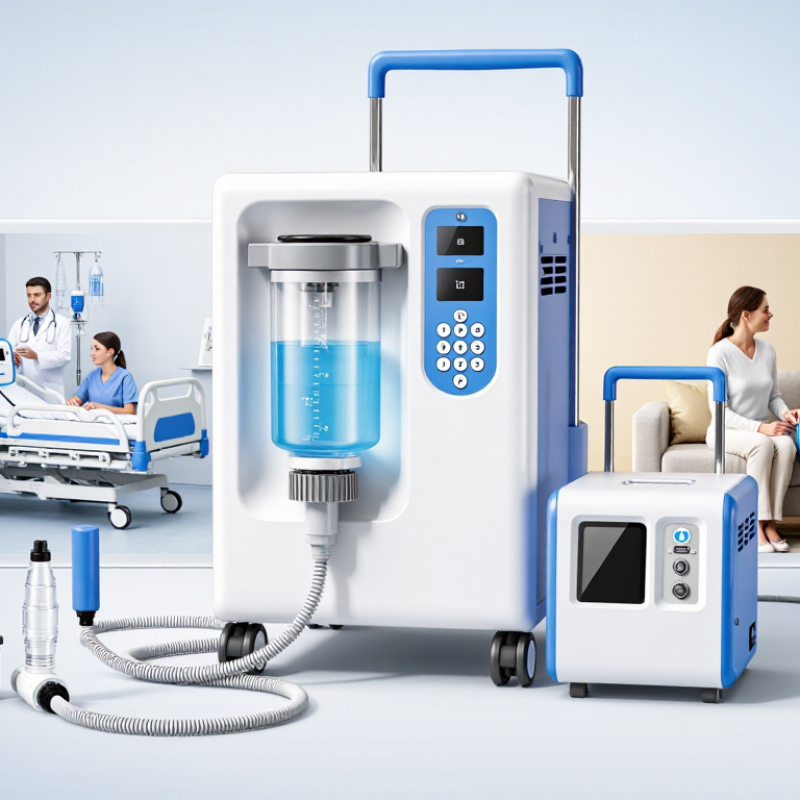
A secretion suction machine removes mucus, saliva, or other fluids from the mouth and airway. It uses controlled negative pressure through a sterile or clean suction catheter. This can help a weak cough clear thick secretions. It may also reduce gurgling sounds and breathing discomfort. The machine does not create a stronger cough. It only assists the body’s natural airway protection.
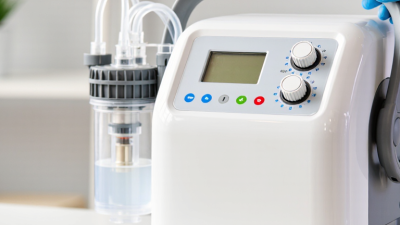
In practical care, the collection jar, tubing, filter, and pressure control matter. A clear jar lets caregivers see the amount and color of collected fluid. A working filter helps protect the pump from contamination. Adjustable pressure is important because excessive suction can irritate delicate tissue. Clinical staff should select the pressure and catheter type for the patient’s age and condition. Home users need clear training, hand hygiene, and a simple cleaning routine.
Watch the patient, not only the machine. Pale skin, blue lips, unusual bleeding, chest pain, or worsening breathlessness require prompt medical attention. A common mistake is suctioning too long because secretions remain visible. That can cause irritation and oxygen problems. Short, gentle passes are usually safer when directed by a qualified professional. I would not choose a unit by motor strength alone. Noise, battery access, alarm clarity, and emergency backup can matter more during a difficult night. Yet every patient responds differently, so the care plan may need revision.
| Selection Dimension | What It Means | Common Practical Range or Data | Why It Matters |
|---|---|---|---|
| Primary Function | Removes mucus, saliva, blood, vomit, or other secretions from the mouth, throat, airway, or surgical field. | Negative-pressure aspiration through sterile or single-use suction tubing and a collection container. | The machine helps maintain a clearer airway and supports secretion management; it does not replace airway assessment or clinical treatment. |
| Intended Setting | The environment in which the unit will be used. | Home care, clinics, ambulances, dental treatment, bedside care, or operating-room support. | Portable devices prioritize battery operation and low weight, while facility units may prioritize higher duty cycles and larger containers. |
| Maximum Vacuum | The highest negative pressure the pump can generate. | Many general-purpose units are adjustable up to approximately 500–760 mmHg, depending on the device category. | Adjustability allows the operator to select an appropriate pressure rather than applying maximum suction continuously. |
| Airflow Capacity | The volume of air the pump can move over time. | Common medical suction units provide approximately 15–40 L/min; higher-flow systems may be available for specialized applications. | Higher airflow can clear secretions more quickly, but tubing size, catheter design, and viscosity also affect real-world performance. |
| Collection Capacity | The volume of fluid the container can hold before emptying or replacement. | Portable models commonly use approximately 0.3–1.5 L containers; stationary units may use larger containers or dual-container systems. | A larger container reduces interruptions, while a smaller container can improve portability and handling. |
| Overflow Protection | A float shut-off or similar mechanism that limits fluid entry into the pump. | Should be present in the collection system and tested according to the user manual. | It helps protect the pump from liquid damage and reduces the risk of contamination inside the device. |
| Bacterial or Hydrophobic Filter | A filter placed between the collection container and pump inlet. | Use a compatible medical-grade filter and replace it when wet, contaminated, blocked, or according to the manufacturer’s instructions. | The filter helps reduce contamination and protects internal components; it must not be treated as a substitute for cleaning and infection control. |
| Power Options | How the machine receives electrical power. | AC mains; some portable models also support rechargeable batteries or vehicle power. | Battery runtime, charging time, and access to backup power are important for transport and emergency use. |
| Portability | Ease of carrying, mounting, or moving the unit. | Portable units often weigh approximately 1.5–5 kg, depending on battery, container size, and enclosure. | Consider the user’s strength, transport method, storage space, and whether the unit must be used during movement. |
| Noise Level | Sound produced by the pump during operation. | Many compact units are designed to operate around 45–60 dB(A), although the measured level varies by distance and operating condition. | Lower noise can improve comfort and communication, particularly in home care and bedside environments. |
| Controls and Pressure Gauge | The interface used to start suction and regulate or monitor negative pressure. | Look for an easy-to-read gauge, accessible regulator, clear on/off control, and stable pressure adjustment. | Clear controls reduce operating errors and help the caregiver confirm that the selected pressure is being maintained. |
| Tubing and Catheter Compatibility | Compatibility with suction tubing, Yankauer-type oral tips, and other clinically appropriate catheters. | Use connectors and tubing with a secure fit, suitable internal diameter, and the required sterile or single-use status. | Poor connections, kinks, or an unsuitable catheter can reduce suction performance and increase handling risks. |
| Cleaning and Maintenance | Routine cleaning, disinfection, inspection, and replacement of consumables. | Choose removable containers, accessible tubing connections, replaceable filters, and clear maintenance instructions. | Simple maintenance supports hygiene, reliable suction, and longer equipment service life. |
| Duty Cycle | The permitted operating pattern before the device needs cooling or rest. | Some units are intended for intermittent use, while others support extended or continuous operation; follow the device rating. | Selecting the correct duty cycle prevents overheating and supports dependable use during demanding procedures. |
| Safety and Compliance | Evidence that the device is designed, tested, labeled, and maintained for its intended medical use. | Verify applicable local medical-device requirements, electrical safety documentation, instructions for use, and service support. | Regulatory suitability and documented maintenance are essential for patient safety and responsible procurement. |
| Best Overall Selection Approach | Match suction performance, accessories, power supply, portability, and cleaning requirements to the actual clinical task. | Compare adjustable vacuum, airflow, container volume, battery capability, noise, filters, alarms, and after-sales service. | The most suitable machine is not necessarily the one with the highest vacuum; it is the one that safely meets the intended use and operator requirements. |