Leave Your Message
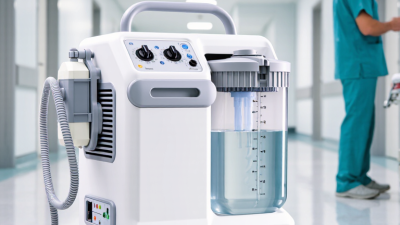
Portable suction units are judged in urgent moments, not showroom lighting. A clear canister, secure tubing, and controls that work with gloved hands matter when secretions need clearing. The right choice also depends on where care happens: beside a bed, in a vehicle, or during transfer. This guide compares ten portable models for 2026, focusing on practical differences rather than headline specifications alone.
The World Health Organization’s 2024 COPD fact sheet reports 3.5 million COPD deaths worldwide in 2021. That figure describes a major respiratory-health burden, not the market size for suction equipment. For clinical context, the 2022 American Association for Respiratory Care guideline, coauthored by respiratory-care specialist Scott B. Yoder, states: “Suctioning should be performed when there is an indication.” A device supports care; it does not decide when care is needed.
We assess portability, vacuum control, power options, collection capacity, cleaning demands, and the clarity of product documentation. Battery claims deserve a closer look. Runtime can change with use, age, and charging habits. A compact unit may also have a small canister, which means more frequent checks. Details like these are easy to overlook. They matter. Specifications cannot fully predict performance in every setting, so verify current manufacturer guidance and clinical requirements before choosing a Portable Suction Unit.
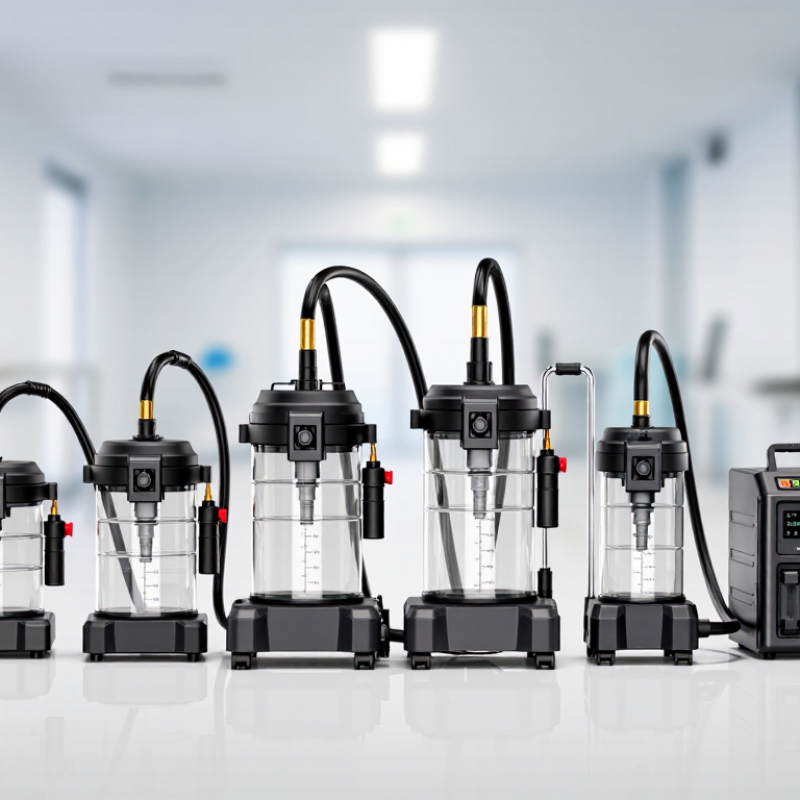
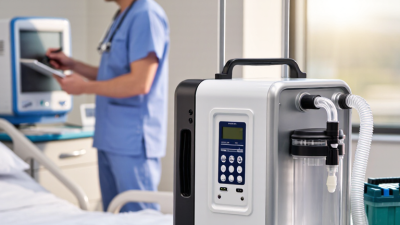
A portable suction unit is a compact device that removes unwanted fluid or secretions through controlled negative pressure. It may be used in clinical settings or during care outside a hospital, when a suitable model and trained guidance are available. Unlike a large fixed system, it can run from a rechargeable battery, making its size and runtime important practical details.
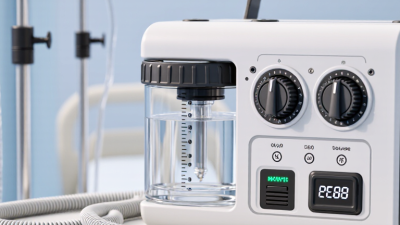
Inside, a pump lowers pressure in the tubing. This draws fluid through a catheter or other approved attachment into a sealed collection canister. A regulator adjusts suction, while a gauge helps caregivers check the pressure setting. Many units also include a filter to help protect the pump if the container fills or fluid travels farther than expected. That distinction matters.
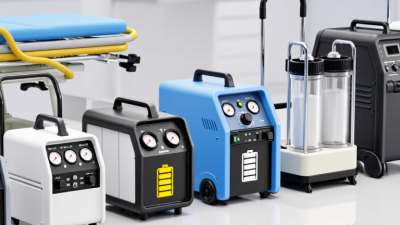
Portability does not make every unit suitable for every task. Intended use, pressure range, container capacity, cleaning requirements, and battery performance all vary. A caregiver might notice the practical difference when a unit must fit beside a bed yet still remain easy to inspect. Check the device instructions and follow a qualified clinician’s guidance for setup and use. Even a clear gauge cannot replace training, and that is easy to underestimate.
| Rank | Portable Unit Profile | Best Suited For | Power Source | Typical Maximum Vacuum | Indicative Free-Air Flow | Key Selection Consideration |
|---|---|---|---|---|---|---|
| 1 | General-purpose portable airway aspirator | Routine airway and oral secretion clearance in home or care settings | Rechargeable battery; some models also use AC power | About 500–600 mmHg | About 20–30 L/min | Check adjustable vacuum control, canister capacity, filter availability, and battery runtime. |
| 2 | Compact travel airway aspirator | Travel and occasional use where low weight and easy storage are priorities | Rechargeable battery; often with an external charger | About 500–600 mmHg | About 15–25 L/min | Compare total kit weight, charging options, carrying case, and replacement battery availability. |
| 3 | AC/DC transport suction unit | Moving between a vehicle, care facility, and home | Rechargeable battery and mains power; some units support vehicle DC power | About 500–600 mmHg | About 20–30 L/min | Confirm that the included power cables match the intended vehicle and charging setup. |
| 4 | Emergency-response portable aspirator | Preparedness kits and trained responders who need rapid access to suction | Battery-powered, with charging dock or mains charging | Often up to about 500–600 mmHg | About 25–40 L/min, depending on configuration | Prioritize dependable charging, a clear pressure gauge, secure mounting, and readiness checks. |
| 5 | Manual hand-operated suction device | Backup use where electrical power is unavailable | Hand-operated; no battery required | Device-specific; not directly comparable across designs | Device-specific; not usually stated as free-air flow | Review the instructions for use and practice operation; manual devices require user effort. |
| 6 | Foot-operated portable suction device | Field or backup applications where hands-free pumping is useful | Foot-operated; no electrical supply required | Device-specific; not directly comparable across designs | Device-specific; depends on the pump and operating cadence | Consider stability, pedal effort, portability, and whether the intended user can operate it safely. |
| 7 | Portable unit with fine vacuum adjustment | Care plans that require careful adjustment of suction pressure | Usually rechargeable battery, sometimes with AC operation | Commonly up to about 500–600 mmHg | Often about 15–30 L/min | Use only the pressure settings and accessories prescribed for the patient and procedure. |
| 8 | Portable high-flow aspirator | Applications where rapid removal of secretions is a priority | Battery-powered or AC/DC, depending on the unit | Often up to about 500–600 mmHg | Some configurations are rated around 30–40 L/min | Higher flow does not replace correct technique; check noise, battery draw, and tubing compatibility. |
| 9 | Portable aspirator with larger collection capacity | Longer sessions or settings where fewer canister changes are preferred | Rechargeable battery or AC/DC power | About 500–600 mmHg for many airway models | Often about 20–30 L/min | Balance canister capacity against added weight, and check overflow protection and cleaning instructions. |
| 10 | Portable negative-pressure wound therapy system | Prescribed wound therapy requiring controlled negative pressure | Typically battery-powered with a dedicated dressing and collection system | Commonly controlled in a lower range, often around 75–125 mmHg | Airway free-air flow is generally not the relevant rating | This is a distinct therapy device, not a substitute for an airway suction aspirator. |
How portable suction units work: A pump creates negative pressure that draws fluid or secretions through compatible tubing into a collection canister. A filter and overflow protection help protect the pump. Figures above are indicative ranges for device categories, not specifications for a particular unit; actual performance varies by model, accessories, and test method. Follow the manufacturer’s instructions and the treating clinician’s guidance when selecting or using a medical suction device.