Choosing a Micro Suction Machine in 2026 is not simply a matter of buying the strongest model. The right choice depends on clinical purpose, suction control, noise level, filtration, portability, and maintenance support. A compact unit may suit an outpatient room, while a higher-capacity system may perform better during repeated procedures. These differences matter when staff work beside patients for several hours.
Real-world experience often reveals details missing from product brochures. A foot pedal should respond smoothly. Collection containers should be easy to inspect and disinfect. Tubing connections must remain secure, even when gloves are wet. Noise also deserves attention. A loud motor can increase patient anxiety and make communication difficult. Check whether replacement filters, seals, and accessories are available through reliable suppliers. Do not rely on impressive specifications alone.
Safety remains central. Buyers should review manufacturer instructions, electrical certifications, infection-control guidance, and applicable healthcare requirements in their region. Medical professionals should confirm whether a device fits their intended procedure and patient population. A higher vacuum setting is not automatically better. Excessive suction may create discomfort or affect delicate tissue. That point is easy to overlook.
This guide compares practical features, technical specifications, operating costs, and service support. It also considers common purchasing mistakes, because small omissions can become expensive later. No single Micro Suction Machine fits every clinic. The best decision balances performance, patient comfort, staff confidence, and dependable long-term use. Even careful buyers may need to revise their shortlist after testing a machine in person.
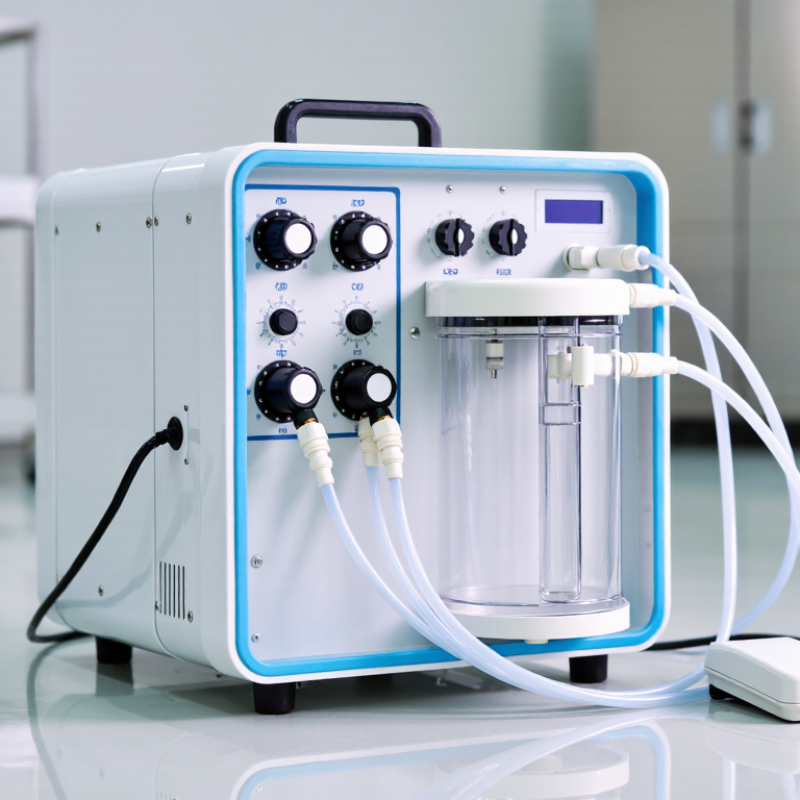
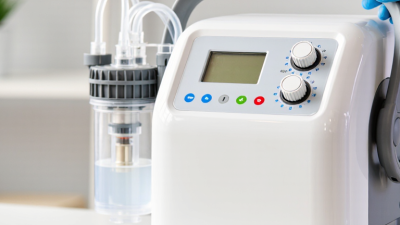
A micro suction machine is a compact medical device that creates controlled negative pressure. It removes small amounts of fluid, wax, debris, or secretions through a narrow suction tip. A typical system includes a motor, collection jar, tubing, filters, and interchangeable tips. The word “micro” describes its precision, not merely its size.
In clinical practice, a trained professional selects the lowest effective suction level. They inspect the area, position suitable lighting, and guide the tip carefully. For ear care, the tip usually stays visible and near the material, rather than pressing deeply into the canal. Suction may be applied briefly, then released. This helps reduce discomfort and limits tissue irritation. The collected material enters a sealed container, while filters help protect the pump.
Choosing a machine in 2026 requires more than comparing suction strength.
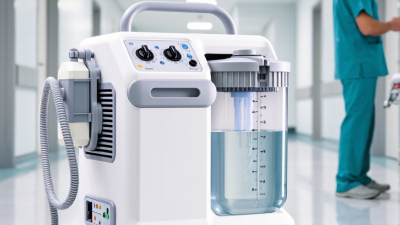
Look for stable vacuum control, low operating noise, easy cleaning, secure tubing, and clear maintenance instructions. A transparent collection jar helps staff monitor the process. Replaceable filters and compatible sterile accessories also matter. Ask whether the device has appropriate medical certification in your region, and confirm that trained users can receive technical support.
Higher power is not always better. I once assumed stronger suction would improve every procedure, but control proved more important. Excessive suction can cause pain or minor injury. Home use may appear simple, yet poor visibility and incorrect tips create real risks. The safest choice supports careful technique, documented training, and regular inspection.
How to Choose a Micro Suction Machine in 2026?
Before choosing a micro suction machine, define the material and setting it must handle. Dry debris, fluid, and thick secretions require different suction performance. Check the adjustable vacuum range, airflow rate, and pressure stability. A powerful motor is not automatically better. Excessive suction may reduce control during delicate procedures. The machine should maintain steady pressure when tubing bends or the collection jar fills.
Assess how often the unit will operate each day. A clinic with repeated procedures needs a durable duty cycle and reliable cooling. Occasional users may value compact storage more than maximum output. Noise also matters, especially in small treatment rooms. Ask whether the filter captures aerosols and fine particles effectively. Confirm that jars, tubing, seals, and filters are easy to inspect and replace.
Practical handling can expose weaknesses that specifications hide. Test the foot switch, hose length, and suction response with a gloved hand. The controls should remain clear during a busy procedure. Review cleaning instructions and verify compatibility with approved disinfectants. Maintenance records can support safer, more consistent operation. It is easy to overvalue peak suction figures. In practice, smooth control may matter more. No checklist is perfect. Reassess the machine after real clinical use, especially if staff report hand strain, unstable suction, or frequent blockages. Always match the device with qualified professional guidance and applicable medical-device requirements.
Use the following practical benchmarks to compare micro suction machines. Actual performance depends on the device design, tubing, filters, accessories, operating altitude, and the material being collected.
| Suction Requirement | Typical Benchmark or Range | What to Assess Before Choosing | Priority | Key Selection Questions |
|---|---|---|---|---|
| Airflow Capacity | Approximately 5–40 L/min for many compact micro suction applications | Airflow determines how quickly air, liquid, dust, or small debris can be removed. Higher airflow is useful for larger tubing or faster evacuation, while excessive airflow may disturb delicate surfaces or small components. | High | What volume must be removed? What is the internal diameter and length of the tubing? Is adjustable airflow required? |
| Maximum Vacuum | Often specified in kPa, mbar, or mmHg; compact units commonly range from mild vacuum to approximately −80 kPa | Maximum vacuum indicates the strongest negative pressure the pump can create under restricted-flow conditions. It is important for lifting liquid or overcoming resistance, but maximum vacuum alone does not describe real operating performance. | High | Do you need gentle surface pickup or stronger liquid extraction? Is the vacuum adjustable? Is the value measured at the pump inlet or at the end of the tube? |
| Flow–Vacuum Performance | Review the pump curve or performance table rather than a single maximum figure | Airflow generally decreases as vacuum resistance increases. A machine with a high advertised vacuum may still provide limited airflow during actual use, so both values should be evaluated together. | High | Is a flow-versus-vacuum curve available? What performance remains with the selected tubing, filter, and nozzle installed? |
| Application Material | Dry particles, liquids, condensate, dust, biological material, or mixed waste require different protection | The collected material affects the required filter, trap, tubing, chemical resistance, and cleaning procedure. A pump designed for dry air may be damaged by liquid carryover. | High | Is the material wet, oily, corrosive, abrasive, or potentially infectious? Could foam or liquid reach the pump? |
| Liquid Protection | Look for a sealed collection bottle, hydrophobic filter, overflow protection, or liquid shut-off system | Liquid traps and shut-off devices help prevent contamination and pump damage. The protection system should be sized for the expected volume and easy to inspect. | High | What is the maximum liquid volume per operation? Does the system stop suction automatically when the container is full? |
| Filtration Efficiency | Select filtration according to particle size, exposure risk, and applicable work procedures | A suitable inlet or exhaust filter protects the pump and reduces the release of collected particles. Filter efficiency should be supported by a stated test method when contamination control is important. | High | What particle size must be retained? Is a disposable filter available? How will filter loading and replacement be monitored? |
| Collection Capacity | Small systems may use containers from roughly 0.1 to 2 L; larger capacity increases operating time but also size | Choose enough capacity to avoid frequent interruptions while keeping the unit easy to handle. The container should be stable, transparent when possible, and simple to empty or replace. | Medium | How much material is collected per session? Is a sealed disposable liner or reusable container preferred? |
| Noise Level | Many compact electric pumps are approximately 40–65 dB(A), depending on distance and operating load | Noise affects operator comfort and suitability for quiet environments. Measurements are only comparable when the distance, room conditions, and operating point are the same. | Medium | Will the machine be used near people, patients, laboratories, or recording equipment? Is a low-noise mode available? |
| Duty Cycle and Thermal Stability | Intermittent and continuous-duty designs are both available; follow the manufacturer’s stated duty cycle | Continuous operation can increase motor temperature and reduce service life if the unit is not designed for it. Check performance after extended use, not only during a short demonstration. | High | How long will each operating cycle last? How many cycles are expected per day? Is thermal overload protection included? |
| Tubing and Inlet Compatibility | Common small-system tubing internal diameters are approximately 3–8 mm, but compatibility must be verified | Narrow, long, kinked, or contaminated tubing increases resistance and reduces delivered airflow. The connector size and material should match the intended application. | High | What tubing length and diameter are required? Are quick connectors, nozzles, or sterile single-use accessories needed? |
| Control and Adjustability | Basic on/off control; advanced models may provide vacuum regulation, airflow adjustment, or foot-switch operation | Adjustable control helps protect delicate surfaces and handle different materials. A visible vacuum gauge or digital display improves repeatability. | Medium | Must operators reproduce the same suction level? Is hands-free operation necessary? Is the control easy to use while wearing gloves? |
| Power Supply | Common options include mains power, low-voltage DC, or battery operation | Power requirements affect portability, operating time, and installation. Battery models require evaluation of charging time, battery replacement, and performance at low charge. | Medium | Is the unit used indoors, in vehicles, or in the field? What voltage and plug type are required? Is backup power available? |
| Portability and Ergonomics | Assess total weight, handle design, footprint, vibration, and accessory storage | A lighter unit is not always better if it is unstable or difficult to clean. The complete working weight should include the container, filter, tubing, and battery. | Medium | Will the operator carry it frequently? Can it be placed securely near the work area? Are controls and containers accessible? |
| Cleaning and Maintenance | Prefer tool-free access, replaceable filters, smooth internal surfaces, and clearly defined service intervals | Maintenance requirements influence downtime and contamination risk. Components exposed to collected material should be removable, cleanable, or replaceable. | High | Which parts require cleaning after every use? How often must filters, seals, and tubing be replaced? Are spare parts available? |
| Materials and Chemical Compatibility | Verify resistance of the pump head, seals, tubing, container, and filters to the chemicals being handled | Solvents, oils, disinfectants, and corrosive vapors can soften seals or damage pump components. Compatibility should be confirmed for concentration, temperature, and exposure time. | High | Which chemicals or vapors may enter the system? Are chemical-resistant materials and secondary containment required? |
| Safety and Compliance | Check applicable electrical, workplace, laboratory, medical, or hazardous-location requirements | Compliance needs depend on the environment and intended use. Safety features may include overload protection, grounding, sealed electrical parts, alarms, and clear operating instructions. | High | Where will the machine be used? Are there electrical, infection-control, cleanroom, or hazardous-atmosphere requirements? |
| Service Life and Total Cost | Compare purchase price with filters, containers, tubing, batteries, maintenance, and expected replacement intervals | Consumables and downtime can cost more than the initial purchase over the equipment’s service life. A documented maintenance schedule and available replacement parts reduce operating risk. | Medium | What is the expected annual operating cost? Are consumables standard sizes? Is technical service available in the intended region? |

Note: Performance figures are practical comparison ranges, not universal specifications. Always confirm the test conditions, operating point, accessories, and safety requirements for the specific application before purchasing.
How to Choose a Micro Suction Machine in 2026?
Motor power, vacuum pressure, and flow rate describe different performance factors. Do not compare them as equal numbers. Motor power shows how much energy the pump can use. Higher wattage may support stronger operation, but it can also create more heat and noise. Vacuum pressure indicates the maximum suction force. It matters when removing dense fluid or material through narrow tubing. Flow rate measures how quickly air or liquid moves. It becomes important when the working area fills rapidly.
A practical evaluation should test all three values together. In bench checks, a machine with strong pressure but low flow can feel slow. Another model may move air quickly but lose suction when the filter becomes damp. Tubing length, inner diameter, filter condition, and collection-container design also affect performance. Manufacturers may publish maximum figures under ideal conditions. Real use is less perfect. Ask for operating values, not only peak ratings. Check noise levels beside the intended workspace.
Tips
Match the machine to the task. Choose stable vacuum pressure for narrow passages and adequate flow for continuous removal. Test it with the same tubing and filter used in practice. Watch the gauge during operation. A falling reading may indicate leakage or blockage. Keep a simple maintenance record, including filter changes and unusual noise. When safety is critical, confirm specifications with a qualified technician and follow applicable local requirements.
Safe operation begins with controlled vacuum, not maximum vacuum. A useful machine should provide a clear gauge, adjustable pressure, and an automatic overflow shutoff. A hydrophobic bacterial filter helps protect the pump and reduce contamination risks. The WHO Global Report on Infection Prevention and Control (2022) estimates that 7 in 100 patients acquire healthcare-associated infections in high-income settings. The figure rises to 15 in 100 in low- and middle-income settings. That gap matters. A transparent collection canister, secure tubing, and visible alarm make problems easier to detect. In clinical use, small leaks can reduce suction before staff notice them.
Hygiene depends on cleaning design. Choose smooth surfaces, removable components, and documented reprocessing instructions. Parts contacting secretions should tolerate the stated disinfection or sterilization method. The CDC Guideline for Disinfection and Sterilization emphasizes that reusable medical equipment requires risk-based reprocessing. Do not trust a “washable” label alone. Check compatibility, drying time, and replacement intervals. Reliability also needs evidence: stable vacuum performance, battery status, noise levels, service records, and calibration guidance. I would test the machine with gloves and a full canister. Real handling reveals awkward controls. Specifications sometimes look better than practice.
Tips: Confirm the filter type and change schedule. Test the overflow alarm before patient use. Keep a spare hose and filter available. Record cleaning and maintenance dates. A short trial in the intended room can expose vibration, poor visibility, or an inconvenient power cable.
Choosing a micro suction machine in 2026 requires more than comparing purchase prices. Evaluate suction stability, airflow, noise, portability, and control accuracy under realistic working conditions. A model that performs well during a short demonstration may struggle after continuous use. Ask for test data, service records, and clear operating limits. Check whether staff can read the controls while wearing gloves. Small design details matter.
Maintenance can shape reliability more than the initial specification. Inspect filter access, tubing connections, moisture protection, and cleaning procedures before purchasing. Confirm recommended service intervals and the availability of trained technicians. Replacement filters, seals, batteries, and collection containers should have predictable costs. I have seen equipment appear economical until repeated cleaning problems caused delays. That is an easy mistake to overlook. A written maintenance log can reveal recurring faults, although many teams record too little.
Total cost includes training, consumables, calibration, energy use, storage, and downtime. Compare these expenses over the machine’s expected service life, not only during the first year. Request a complete quotation with installation and after-sales support included. Also ask how quickly essential parts can be supplied. A cheaper model may become expensive when one unavailable component stops daily work. Test the machine with the intended accessories, because compatibility assumptions can be wrong. Allow staff to score each model for safety, usability, maintenance effort, and long-term value.
This 2026 evaluation model compares the factors that most directly affect clinical usability, maintenance workload, and ownership cost. Performance and patient safety receive the highest weighting, while maintenance and total cost help distinguish machines with similar suction capability.