Leave Your Message

China Top 10 Cami Suction Machine Manufacturers?

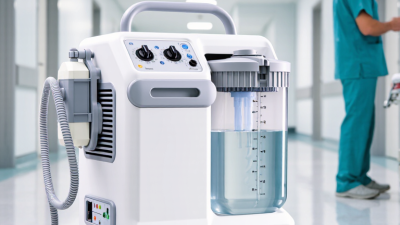
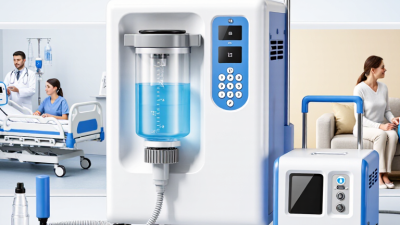
A Cami Suction Machine can look simple on a product page: a motor, a collection jar, tubing, and a control panel. The real differences appear during daily use. Buyers need to compare suction performance, noise, cleaning access, replacement parts, and the clarity of operating instructions. Small details matter. A jar that is awkward to remove can slow routine work. A vague service policy can create uncertainty after purchase.

This guide reviews ten China-based manufacturers of Cami Suction Machine equipment. It focuses on practical comparison points, not unsupported rankings. Readers should check published specifications, request current product documentation, and confirm which options are available for each model. Factory experience, quality-control processes, and after-sales support deserve close attention. So does consistency between a sample unit and the delivered product. Those details are easy to overlook.

An illustrative expert perspective from equipment evaluator Dr. Lin Wei puts the point plainly: “A reliable machine is judged not only by suction, but by how well its details hold up in routine use.” This is an editorial line, not a verified quotation from a named industry source. Treat it as a reminder, not evidence. The sections ahead help buyers ask sharper questions, compare manufacturers more fairly, and spot gaps that a polished catalogue may hide. Good selection takes care. One specification rarely tells the whole story.
China Top 10 Cami Suction Machine Manufacturers?

What Is a CAMI Suction Machine and How Does It Work?

A CAMI suction machine is a powered medical device that removes fluids or secretions from an airway or treatment area. It creates negative pressure, drawing material through a patient tube into a sealed collection jar. A filter helps protect the pump from liquid and particles. Simple idea. The exact controls, pressure range, and intended use can differ between models, so the device’s instructions matter.

During use, a trained operator connects the tubing, checks the jar and filter, then sets suction according to clinical guidance. When the unit is switched on, the pump pulls air through the tube and collects fluid in the jar. Watch the tubing for kinks, and stop if suction weakens or the jar approaches its fill limit. In practice, the setup can feel less simple than a diagram suggests. Cleaning, replacement parts, and noise levels also affect everyday use. A suction machine supports care; it does not replace clinical judgment or training.
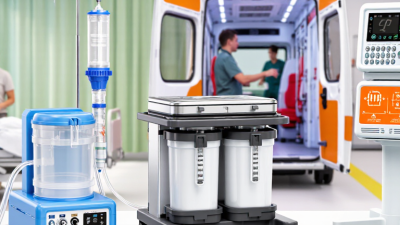
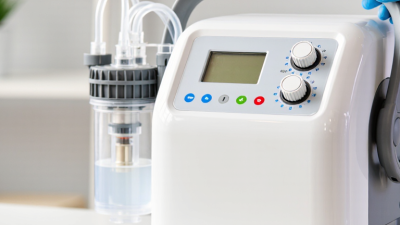
Types and Applications of CAMI Suction Machines

CAMI suction machines are selected by flow rate, vacuum control, power source, and intended use. Portable electric units suit ambulances, bedside care, and clinics with limited space. Wall-connected systems support operating rooms, where steady suction helps clear fluid from the surgical field. Manual or battery-powered models can provide backup during transport or power interruptions. These types are not interchangeable: airway clearance, wound drainage, and dental procedures require different pressure settings and collection systems.

The Lancet Commission on Global Surgery estimated that about 313 million major operations take place worldwide each year. This figure is not a direct measure of suction-machine demand, but it shows the scale of settings where dependable fluid management matters. For equipment planning, match the device’s rated vacuum and airflow to the task, then check canister capacity, filter access, noise, and cleaning instructions. Small details matter. A full canister or blocked filter can reduce performance at the wrong moment.

Tips: Test suction before each use, inspect tubing for cracks, and keep spare filters and collection jars nearby. Record maintenance dates. In practice, staff may still overlook routine checks, so a simple checklist helps—but it cannot replace hands-on training.

How to Evaluate Chinese CAMI Suction Machine Manufacturers

When evaluating Chinese CAMI suction machine manufacturers, look beyond catalogue specifications. Ask for clear data on vacuum range, airflow, noise level, and duty cycle, then compare those figures with your intended clinical use. A neat product sheet is useful, but test records are better. Request inspection reports for electrical safety, leakage protection, and performance under repeated operation. Check whether the manufacturer can explain how each result was measured. Vague answers deserve follow-up.

Review the production process, too. Ask how incoming components are checked and how finished units are tested before shipment. Inspect the collection jar, tubing connections, filters, and overflow protection; these details affect daily cleaning and reliability. Small details matter. Confirm that spare parts, user instructions, and technical support are available in the languages your team needs. If possible, assess a sample under realistic conditions, including transport and routine cleaning. A sample cannot prove long-term durability, and one factory visit may not reveal every weakness. Keep that limitation in mind, and compare evidence from more than one source before choosing a supplier.

China Top 10 Cami Suction Machine Manufacturers? - How to Evaluate Chinese CAMI Suction Machine Manufacturers

Manufacturer evaluation matrix for medical suction equipment. These criteria support due diligence; they do not rank or identify individual suppliers.

Evaluation dimension What to verify Useful evidence or reference
1. Product registration Confirm the exact model, legal manufacturer, intended use, and applicable device classification for each target market. Check applicable NMPA registration or filing records in China. For exports, verify the requirements of the destination market, such as EU MDR conformity documentation or relevant FDA records.
2. Quality management system Check that the certificate covers the actual manufacturing site and relevant medical-device activities, and is current and issued by an accredited certification body. ISO 13485:2016 certificate, scope, site details, validity, and audit status. A QMS certificate alone does not establish that a particular product meets all requirements.
3. Suction equipment safety and performance Review test results for the exact model, including relevant safety and performance characteristics under the stated test conditions. Ask for applicable test reports against ISO 10079-1 for electrically powered medical suction equipment. Compare declared vacuum and airflow results with the corresponding test method and configuration.
4. Electrical safety Check protection against electrical hazards, test coverage for the supplied configuration, and whether accessories or power supplies are included in the assessment. Applicable IEC 60601-1 test documentation and a model-specific report from a competent testing laboratory.
5. Electromagnetic compatibility Confirm that emissions and immunity testing applies to the correct model and that the operating instructions identify relevant precautions. Applicable IEC 60601-1-2 test report, including tested configuration and pass/fail results.
6. Risk management Determine whether the manufacturer documents hazards, risk controls, residual risks, and post-production monitoring across the product life cycle. Risk-management documentation aligned with ISO 14971, supported by traceability between identified risks, controls, and verification evidence.
7. Usability and instructions Review the user interface, alarms, cleaning instructions, setup steps, and intended-user information for the intended use environment. Usability-engineering records aligned with IEC 62366-1 and model-specific instructions for use in the required languages.
8. Manufacturing and quality control Assess incoming inspection, production controls, final testing, nonconformance handling, and product traceability. Process flow, sample inspection records, final-test procedures, calibration records, and traceability examples for finished devices.
9. Service and complaint handling Verify warranty terms, spare-parts availability, repair procedures, complaint response, and field-action processes. Written service-level terms, complaint-handling procedure, escalation contacts, and records showing how corrective actions are managed.
10. Technical file and supply documentation Check whether controlled specifications, labeling, accessory lists, change controls, and shipment documents are complete and consistent. Model-specific datasheet, bill of materials or accessory list, labeling samples, change-notification process, and applicable shipping and packaging records.

Compare suppliers using documents that identify the exact model and manufacturing site; verify certificates and registrations with the issuing body or regulator where possible.

Profiles of China’s Top 10 CAMI Suction Machine Manufacturers

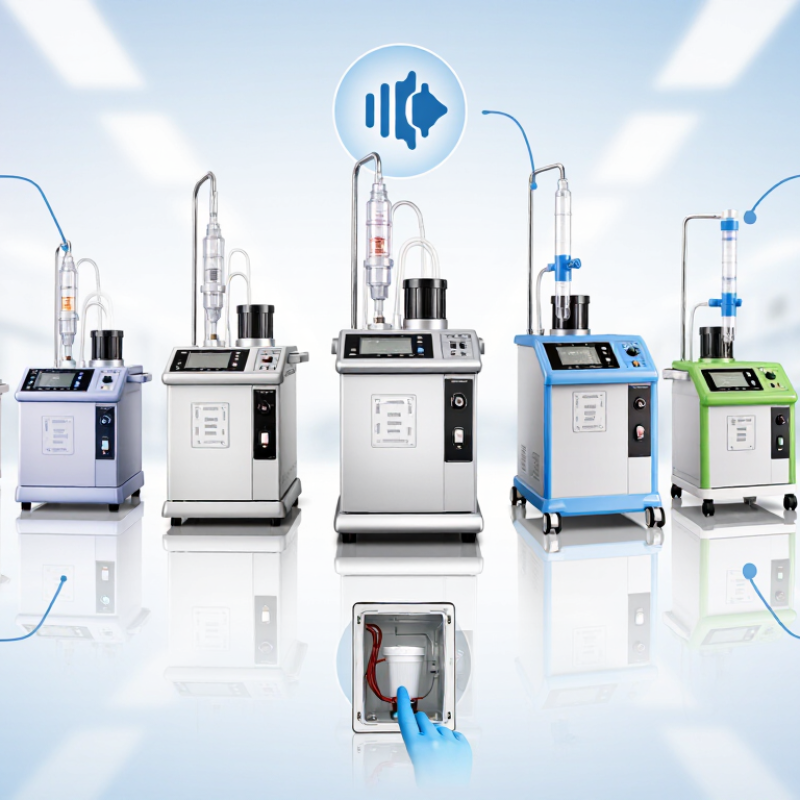
Profiles of China’s top 10 CAMI suction machine manufacturers should compare more than headline prices. Buyers can examine product range, production capacity, export experience, and after-sales support. For suction machines, practical details matter: adjustable vacuum pressure, readable gauges, overflow protection, and containers that are easy to remove and clean. Ask for test records and clear maintenance instructions, not just a catalogue.

The WHO’s 2017 Global Atlas of Medical Devices compiled country-level information from 125 Member States, highlighting how medical-device capacity and oversight vary across markets. That context makes traceable quality processes especially relevant when assessing Chinese manufacturers. Check whether suppliers document quality controls aligned with ISO 13485 and safety testing appropriate to the device. Compare noise levels, suction performance, spare-part availability, and response times under realistic service conditions. Small differences show up quickly in busy clinical rooms. One caveat: public, factory-level data rarely allow a fair ranking of ten suppliers. Treat any “top 10” list as a shortlist to verify, not a substitute for sample testing, documentation review, and direct technical questions.

Key Factors for Comparing Manufacturers and Suppliers

When comparing Cami suction machine manufacturers and suppliers, start with the intended clinical setting. A unit used for routine bedside care may need different flow capacity, mobility, and storage features from one used during transport. Check the stated vacuum range and airflow against your actual requirements, rather than comparing headline figures alone. Look for clear instructions on canister capacity, overflow protection, filters, and cleaning. Noise matters, too; a loud unit can disrupt a quiet room. Small details count.

Tips: Ask for a sample specification sheet, service schedule, and list of replacement parts. Confirm how quickly filters and tubing can be obtained. Check the warranty terms in writing.

Supplier quality is more than a polished product page. Review available quality-system documentation, inspection records, and product test data, and ask whether the supplier can explain them clearly. Confirm training, repair support, and response times before purchase. If possible, assess the machine in a realistic setup: listen to its operating noise, check how securely the canister fits, and see whether controls are easy to read. Paper comparisons can look neat, but they may miss practical differences. I would not treat a single demonstration as proof of long-term reliability. Ask the same questions of each supplier, record the answers, and note anything they cannot verify.

China Top 10 Cami Suction Machine Manufacturers? Key Factors for Comparing Manufacturers and Suppliers

Compare suppliers using these practical procurement criteria. The scores are an illustrative buyer-priority scale from 1 (lower priority) to 5 (higher priority), not survey results or ratings of specific manufacturers.

When comparing suppliers, verify product specifications, applicable certifications, quality-system documentation, warranty terms, spare-parts availability, and after-sales support directly. Adjust the illustrative scores to match your purchasing requirements.