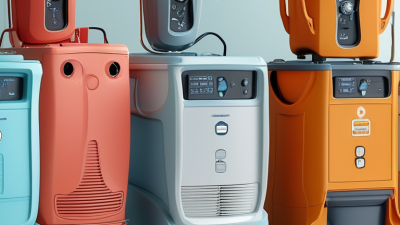
Choosing the best Portable Suction Unit suppliers in China takes more than comparing prices or catalog photos. Buyers need to assess product performance, manufacturing consistency, documentation, and support after delivery. A compact unit may look suitable online, yet practical details matter: suction range, flow rate, battery runtime, noise, collection-bottle capacity, and cleaning access.
For hospitals, clinics, home-care providers, and distributors, requirements can differ considerably. A useful supplier review considers intended use, product specifications, quality-control procedures, and the availability of user manuals and maintenance guidance. Ask for current technical documents and clear answers about testing, replacement parts, warranty terms, and response times. Where relevant, verify that product claims and conformity documents match the destination market and the exact model being purchased. Details matter.
A polished website is not proof of dependable production. Requesting a sample, reviewing inspection records, and discussing realistic lead times can reveal gaps that brochures may miss. Even a careful shortlist has limits; one supplier may offer strong engineering support but less flexible customization, while another may compete on price but provide slower service. This guide examines how to compare Chinese suppliers using practical criteria rather than unsupported rankings. The aim is to help readers ask better questions, identify trade-offs, and choose a partner whose capabilities fit their clinical, operational, and purchasing needs.
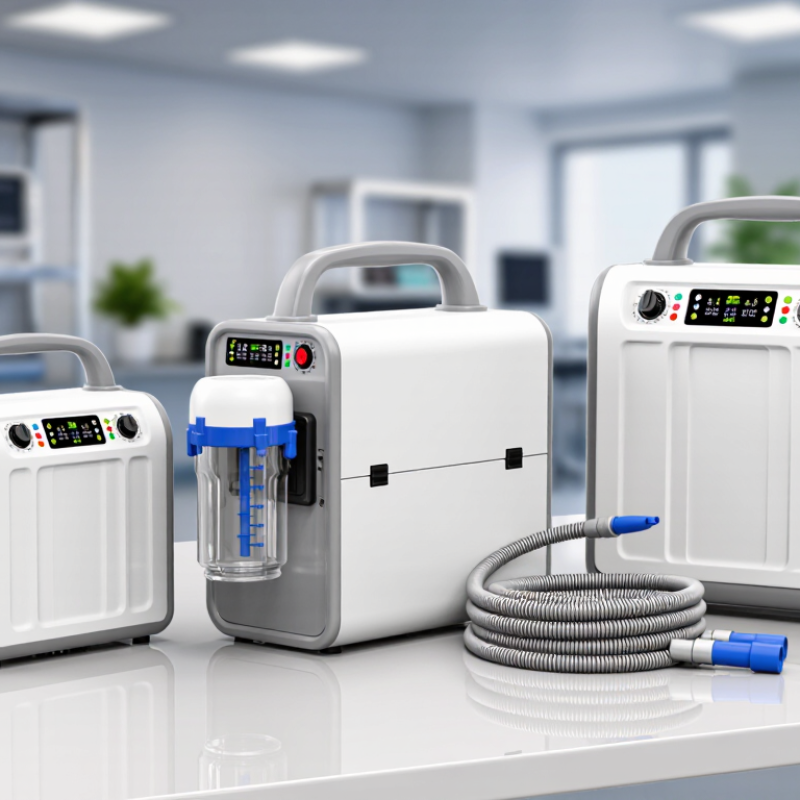
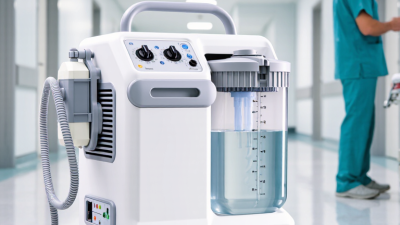
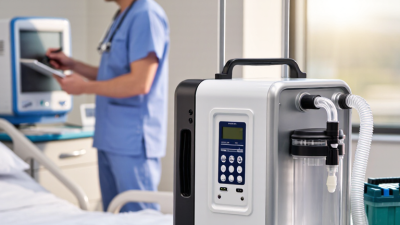
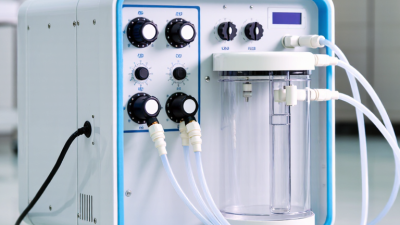
A portable suction unit is a compact medical device that removes mucus, blood, or other fluids through a catheter or collection tube. It is used in ambulances, clinics, care facilities, and homes when a fixed wall suction system is unavailable. A motor creates negative pressure, drawing fluid into a sealed canister. The unit’s battery, tubing, filter, and canister all matter. A strong motor alone is not enough.
Use depends on the patient and the task. For airway suctioning, the American Association for Respiratory Care’s 2022 clinical practice guideline recommends keeping negative pressure below 200 mmHg for adults, 150 mmHg for children, and 120 mmHg for neonates. It also advises limiting each suction pass to 15 seconds. These are clinical recommendations, not a substitute for training or patient-specific instructions. That distinction matters.
For buyers comparing portable suction unit suppliers in China, check the stated vacuum range, airflow, battery runtime, canister capacity, and alarm function. ISO 10079-1:2015 sets safety and performance requirements for medical suction equipment. Ask how the unit performs under battery power, and whether replacement filters and compatible tubing are readily available. A specification sheet looks reassuring. Real handling can still reveal awkward controls, noisy operation, or hard-to-clean corners.
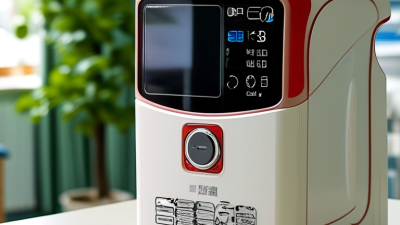
Portable suction units begin with a defined clinical use, expected flow rate, vacuum range, and power source. In Chinese factories, engineers translate these requirements into a compact layout for the pump, collection canister, tubing, controls, and battery. The housing is commonly molded from durable plastic, while electrical and pneumatic parts are sourced, checked, and matched to the design. Small details matter. A poorly seated gasket can weaken suction.
During assembly, technicians connect the pump and control board, fit filters and tubing, and secure the canister interface. Each unit should then undergo checks for vacuum performance, airflow, leakage, noise, charging, and battery operation. Operators may use calibrated gauges and test fixtures, recording results against defined limits. The exact process varies by factory and model. A neat assembly alone proves little.
Before shipment, finished units need visual inspection and functional testing, with serial or batch records supporting traceability. Packaging should protect the device and accessories from impact and moisture during transport. Buyers can ask suppliers about incoming-part checks, test methods, defect handling, and production records. These questions reveal more than a polished factory tour. Still, inspections can miss issues that appear after repeated use, so feedback from field performance should inform design revisions and future production.
Typical manufacturing workflow, shown in process order
The bars indicate workflow sequence, not measured time, cost, or production volume. A typical process includes component sourcing, housing and component production, assembly, electrical and vacuum checks, final inspection, and packaging. Specific processes may vary by manufacturer and product design.
Chinese suppliers serving the portable suction market generally fall into several groups. Specialized medical-device manufacturers design and assemble complete units, including the pump, collection canister, tubing connections, battery, and controls. They may offer different capacities or configurations for clinics, emergency transport, and home care. Ask how they test suction performance, battery runtime, noise, and overflow protection. Small details matter.
OEM and contract manufacturers build equipment to a buyer’s specifications. Some handle engineering and assembly; others mainly provide production capacity. Their experience can be useful, but confirm who controls component selection, inspection, and design changes. A polished sample does not prove consistent production.
Trading companies and export-focused suppliers can coordinate communication, packaging, and shipping, while sourcing products from separate factories. This may simplify procurement, though it can make technical questions harder to trace. Request the actual manufacturer’s quality-system records, test reports, and applicable market documentation. Check that model numbers match across documents and samples. Not always straightforward. A supplier may be capable, yet its public information may be incomplete; verify claims through factory records, clear technical answers, and a pre-shipment inspection when appropriate.
| Supplier Type | Typical Role in the Market | Portable Suction Products or Services | Potential Advantages | What Buyers Should Verify | Often Suited To |
|---|---|---|---|---|---|
| Medical device manufacturers | Design and manufacture complete medical suction devices, sometimes with in-house assembly and quality-control processes. | Portable electric suction units for clinical, home-care, emergency, or transport applications; configurations vary by model. | May offer more direct access to product specifications, production details, and technical support. | Confirm the exact legal manufacturer, intended use, model-specific documentation, quality controls, and applicable market authorization. | Buyers seeking a complete device and direct manufacturer communication. |
| OEM and ODM manufacturers | Produce devices for other businesses, with the level of design customization depending on the supplier and project. | Private-label units, packaging options, selected design adaptations, or production to agreed specifications. | Can support buyers developing a house brand or sourcing a product configuration for a defined market. | Clarify ownership of design and technical files, customization limits, minimum order quantities, change control, and responsibility for regulatory submissions. | Distributors and medical-product businesses planning private-label sales. |
| Specialist component suppliers | Supply parts used in suction equipment rather than necessarily manufacturing a complete medical device. | Depending on specialization, components may include vacuum pumps, motors, power supplies, tubing, collection containers, or filters. | May provide focused expertise, component choices, and sourcing options for device manufacturers. | Check specifications, material compatibility, traceability, testing evidence, and whether the component is suitable for the intended medical-device design. | Device manufacturers and engineering teams sourcing parts for product development or production. |
| Medical equipment trading and export companies | Source products from manufacturers and coordinate sales, export documentation, logistics, or customer communication. | Finished portable suction units and, in some cases, accessories or related medical equipment. | May simplify communication and shipment coordination, especially for buyers handling several product categories. | Identify the actual manufacturer, confirm authorization to sell the product, and verify who provides warranty service and technical support. | Buyers prioritizing sourcing and export coordination over direct factory engagement. |
| Integrated device and accessory suppliers | Offer a complete unit together with compatible consumables or replacement parts, either directly or through qualified partners. | A suction unit plus items such as collection jars, tubing, filters, and power accessories, depending on the product design. | Can make it easier to source compatible accessories and plan replenishment. | Check accessory compatibility, availability, replacement intervals where specified, and whether consumables are included in the device documentation. | Buyers seeking a coordinated device-and-accessory supply arrangement. |
Supplier categories describe common market roles, not a ranking or endorsement. Product specifications and regulatory requirements vary by model and destination market; verify current documentation with the supplier and the relevant regulatory authority.
Before choosing a portable suction unit supplier, check whether its quality system is certified to ISO 13485. This standard covers medical-device quality management, but a certificate alone does not prove every model performs well. Ask for the certificate’s current validity, issuing body, and product scope. For the unit itself, request relevant test evidence against IEC 60601-1 for electrical safety, IEC 60601-1-2 for electromagnetic compatibility, and ISO 10079-1 for suction equipment performance. Requirements vary by destination market, so confirm applicable registrations and approvals for the exact model.
Review more than a document list. Match model numbers across certificates, test reports, labels, and quotations. Ask how the supplier tests vacuum pressure, airflow, battery runtime, and overflow protection. A practical demonstration can reveal details a polished report may miss, such as noisy operation or a loose collection jar. Check calibration records, production-batch traceability, complaint handling, and spare-part availability. Paperwork can look convincing; it still may not reflect the unit you receive.
Tips: Request one complete sample file before ordering. Verify certificates with the issuing organization, and ask for recent test results. Record the tested model and agreed specifications in writing. Some gaps may remain, so note them rather than assuming they are minor.
Choosing a portable suction unit supplier in China requires more than comparing catalogue prices. Check each model’s vacuum range, airflow, collection capacity, battery runtime, and noise level. Ask how performance is tested and request clear product documentation. A compact unit may suit vehicle transfers, while a larger canister may be easier to manage during longer use. Match the specifications to the intended clinical setting, and have qualified staff confirm suitability.
Compare quotations line by line. Confirm what the price includes, such as accessories, user instructions, packaging, and spare parts. Ask about warranty coverage, response times, troubleshooting, and replacement-part availability. Request written service terms and examples of inspection or maintenance records. A low initial quote can become costly if essential components are excluded. That matters. A polished presentation is not proof of dependable support; verify claims directly. Realistically, even careful checks cannot predict every service delay.
Tips: Ask suppliers to demonstrate the unit using a sample setup. Check how quickly filters and canisters can be replaced. Get answers in writing, and compare like-for-like models rather than headline prices.