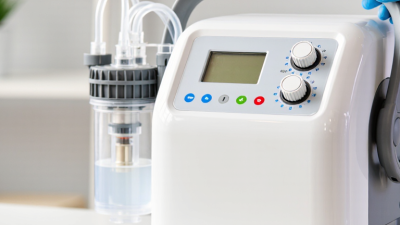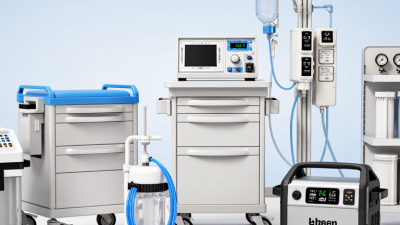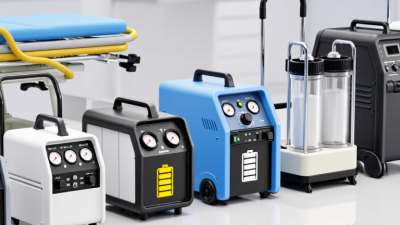
A Duet Suction Unit is more than a pump beside a treatment bed. It is a clinical device whose reliability depends on suction performance, fluid collection, alarms, cleaning access, and dependable service. This guide examines China-based manufacturers and suppliers through those practical details, not catalogue claims alone. Look closely at the collection jar, tubing connectors, pressure controls, and the space needed to move the unit between rooms.
A useful perspective is offered here as an illustrative line, not a verified quotation: hypothetical biomedical equipment specialist Dr. Lin Wei says, “A suction unit earns trust through steady performance, clear controls, and maintenance that staff can actually complete.” The distinction matters. This sentence is not a sourced statement from a real expert, so it should not be presented as one. Buyers should confirm specifications, test records, applicable certifications, warranty terms, and spare-parts availability directly with each supplier.
Small details can change daily use. A readable pressure gauge helps during setup; a stable base matters on smooth hospital flooring. Ask how the unit performs under the intended clinical conditions, and request documentation rather than relying on broad assurances. Supplier comparisons can still be imperfect. Product configurations vary, and published information may leave gaps. That is worth admitting. A careful review should identify what is confirmed, what remains unclear, and what needs a demonstration before purchase.
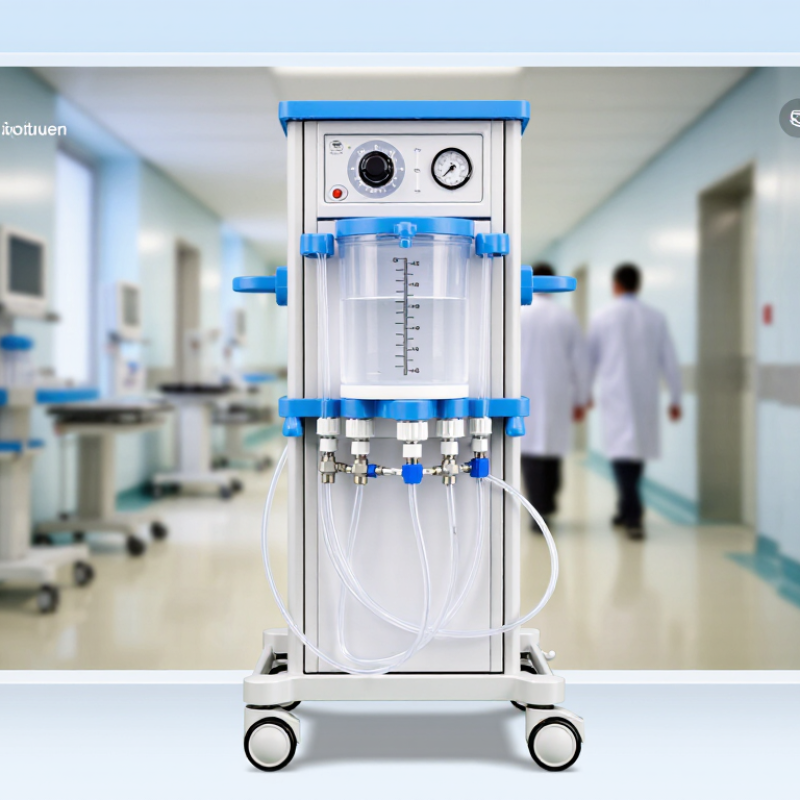
A duet suction unit is a medical suction system designed to serve two suction lines or collection vessels. “Duet” is not a single standardized configuration, so the number of pumps and whether channels operate independently can vary. In use, a pump creates negative pressure, drawing fluid through a sterile patient-side catheter and tubing into a sealed collection jar. A filter and overflow shutoff help protect the pump when the jar fills. The basic idea is simple. Setup still matters.
Performance depends on both vacuum level and airflow, not just the pump’s headline pressure. ISO 10079-1:2015 classifies high vacuum as above 60 kPa and high flow as above 20 L/min; these thresholds help buyers compare equipment specifications. A clinician typically checks the regulator, tubing connections, jar seals, and overflow protection before use. During suction, the operator watches the fluid level and adjusts pressure to the procedure. Two outlets can support parallel access, but they do not always deliver identical suction under load. That detail is easy to overlook. Suppliers should provide clear performance curves, cleaning instructions, and service intervals, while clinical teams should verify the unit against their intended workflow.
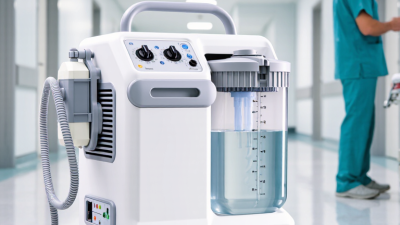
A duet suction unit relies on several components working together. The motor and pump generate negative pressure, while two collection jars hold fluids separately or provide continuous operation during changeover. Clear jar markings make fill levels easier to check. Filters and overflow shutoff valves help protect the pump from liquid and debris. Regulators, vacuum gauges, and flexible tubing let operators adjust and monitor suction at the patient connection. Small parts matter.
Performance specifications should be checked as a complete set, not as isolated numbers. Buyers commonly compare maximum vacuum, airflow, jar capacity, noise level, and duty cycle. The required vacuum range depends on the intended clinical use, so one figure does not suit every setting. Ask whether the stated airflow is measured under load, and whether noise data reflects normal operation. A quiet unit may still recover slowly after frequent use. Check the power supply, cleaning access, filter replacement interval, and alarm behavior as well. A tidy specification sheet can hide practical gaps; I would verify how easily jars can be changed with gloved hands.
Duet suction units support airway clearance and fluid removal in operating rooms, emergency bays, recovery areas, and bedside care. Typical configurations use two collection jars, separate regulators, or two channels connected to a shared pump. Some models add overflow protection, filters, and mobile or wall-powered bases. Designs vary. A second jar does not always mean independent backup suction. WHO’s 2015 Lancet Commission on Global Surgery estimated that five billion people lacked access to safe, affordable surgical and anesthesia care. Reliable basic equipment matters, but suction alone cannot close that gap.
For artificial-airway care, the American Association for Respiratory Care’s 2022 clinical practice guideline recommends suctioning when indicated and keeping each suction pass under 15 seconds. These are clinical recommendations, not proof that every dual-channel layout improves outcomes. Check jar capacity, tubing size, vacuum range, and whether both channels operate independently. Keep circuits distinct when collecting airway secretions and surgical fluids. Small details matter. Staff may assume the second jar provides backup; it may not. Verify the flow path under load, and label each port clearly. The handover step can be less tidy than the equipment drawing.
| Configuration | Vacuum source and outlets | Typical medical applications | Common components | Selection considerations |
|---|---|---|---|---|
| Wall-mounted dual suction unit | Connects to a facility medical vacuum outlet; commonly provides two independently controlled suction outlets. | Patient rooms, recovery areas, and other locations where two suction setups may be needed at one bed space. | Outlet connection, vacuum regulators, gauges, tubing, and collection jars or liners. | Confirm outlet standard, regulator range, mounting arrangement, and whether both outlets can be used independently. |
| Rail-mounted dual suction assembly | Uses a compatible medical gas rail or equipment rail connection; may support two regulators or collection setups. | Treatment spaces where equipment position needs to be adjustable, such as procedure and recovery areas. | Rail clamps, vacuum connection, regulators, gauges, and canister holders. | Check rail compatibility, load limits, connection security, and access to controls during use. |
| Mobile dual suction trolley | May use a facility vacuum connection or an onboard pump, depending on the model; can carry two suction setups. | Clinical areas requiring movable suction equipment, including selected procedure or transport-support settings. | Wheeled stand, regulators, canister holders, tubing, and, on pump-equipped models, a power supply and vacuum pump. | Review mobility, power requirements, battery provision if applicable, cleaning access, and the intended operating environment. |
| Dual collection-canister setup | Usually connected to one suction regulator; a second canister may provide extra collection capacity or a collection changeover arrangement. | Situations where a larger collection capacity or a practical way to manage fluid collection is required. | Canisters or liners, connecting tubing, lid assemblies, and overflow-protection components where specified. | Two canisters do not necessarily provide two independent suction outlets; verify the flow path and overflow protection. |
| Dual regulator with shared vacuum source | One facility vacuum source feeds two regulators, each controlling its own connected suction setup. | Bed spaces or treatment locations that require separately adjustable suction connections. | Two regulators, individual gauges, outlet connections, and separate collection assemblies. | Confirm the facility vacuum system can support the intended simultaneous use and follow clinical setup requirements. |
Configurations and connector standards vary by model, facility, and market. A qualified clinical engineering or medical gas professional should verify compatibility and intended use before installation.
China Top Duet Suction Unit Manufacturers and Suppliers
How to Evaluate Chinese Manufacturers and Suppliers
When comparing Chinese manufacturers of duet suction units, look beyond catalog photos and quoted prices. Ask for the product’s rated vacuum range, airflow, noise level, and collection-bottle capacity. Check whether specifications match the unit you will actually receive. A clear technical sheet should state test conditions, not just ideal figures. Request recent inspection records and ask how production batches are checked. Specific answers matter.
Review the supplier’s experience with similar equipment, customization, packaging, and export documentation. If possible, arrange a video tour or independent factory inspection. Examine a sample under realistic use: check the controls, tubing connections, bottle seals, and cleaning access. Ask how defects are handled and what spare parts are available. A polished brochure is not proof. Even a careful review can miss details, so record agreed specifications and acceptance criteria in writing. Some questions may feel repetitive, but that is better than discovering a mismatch after delivery.
Tips: Compare the same operating specifications across suppliers. Ask for test reports tied to the model and production date. Confirm lead times, warranty terms, and support response times before paying. If an answer is vague, ask for evidence; a low quote alone tells you little.
China’s duet suction unit landscape includes factories that assemble pumps, collection jars, tubing interfaces, and control panels, alongside suppliers focused on sourcing and export coordination. The distinction matters. A supplier may offer a broad catalogue without controlling every production step, so buyers should ask who handles assembly, inspection, and after-sales support.
Practical evaluation starts with the unit itself. Check whether two suction lines can be managed independently, how clearly each regulator is marked, and whether jars can be removed without awkward handling. Ask for test records covering vacuum performance, leakage, and electrical safety. Details matter. Documentation should identify the tested model and match the equipment being quoted, not just a similar-looking product.
Communication is another useful indicator. Reliable manufacturers can explain component options, lead times, packaging, and spare-part availability in specific terms. Request drawings, manuals, and sample inspection criteria before placing an order. A polished catalogue is not enough. One weakness in supplier comparisons is the focus on price while overlooking service response and replacement parts. Even careful checks cannot remove every risk, but they make gaps easier to spot before shipment.