Leave Your Message

How to Choose a Handheld Sputum Extractor?

Choosing a Handheld Sputum Extractor is a clinical and practical decision, not simply a search for the strongest suction. Sputum samples can support testing for respiratory infections, but a device does not diagnose disease or guarantee a useful specimen. The World Health Organization’s Global Tuberculosis Report 2024 estimated that 10.8 million people developed tuberculosis in 2023, with 1.25 million deaths. These figures underline the importance of reliable respiratory diagnostics, while they do not measure extractor performance. That distinction matters.

A careful comparison should begin with intended use, patient group, and the setting where samples will be collected. Check suction control, collection-container compatibility, portability, power source, noise, and how components are cleaned or replaced. A unit carried between rooms may need different features from one used at a fixed bedside. Look for clear instructions, documented performance testing, and appropriate quality or regulatory information for your market; ask the supplier to provide evidence rather than relying on broad claims. Small details matter. A comfortable grip, readable controls, and a stable container can make routine handling easier, though they cannot replace trained clinical judgment. Specifications can look convincing on paper and still feel awkward in a real workflow. That is worth testing.

This guide explains how to assess those factors and match them to your needs. It also highlights trade-offs to discuss with clinical and procurement teams, including maintenance, consumables, and user training. No single model suits every patient or facility. The best choice is the one supported by evidence, fits the intended procedure, and can be used consistently and safely.
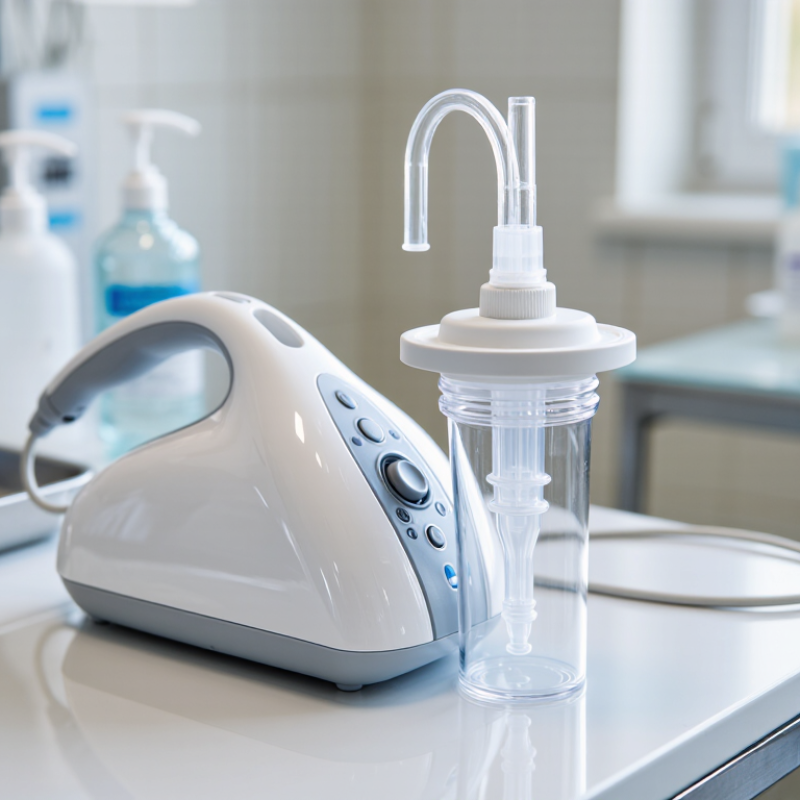
How to Choose a Handheld Sputum Extractor?

What a Handheld Sputum Extractor Is and How It Works

A handheld sputum extractor is a portable suction device that helps remove mucus from the mouth or airway. Most models use a pump to create negative pressure, drawing secretions through a tube into a sealed collection canister. Some are battery-powered; others use manual suction. The exact setup matters. A collection jar, tubing, and correctly sized suction catheter are not minor details: poor fit can reduce suction or make cleaning difficult. This device removes secretions; it does not diagnose their cause.

Sputum also has a diagnostic role. The WHO Global Tuberculosis Report 2024 estimated that 10.8 million people developed tuberculosis in 2023, and sputum testing is one method used to identify the disease. That figure describes disease burden, not demand for extractors. It is an important distinction. For clinical suctioning, the American Association for Respiratory Care’s 2022 guideline advises limiting each artificial-airway suction pass to 15 seconds. That guidance is not a universal setting for every handheld device, so users should follow the device instructions and a clinician’s advice. I would check intended patient age, suction control, canister capacity, and cleaning steps before choosing. Small labels can be easy to overlook. A device that is portable may still be awkward to hold during use.
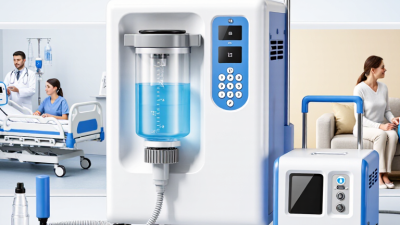
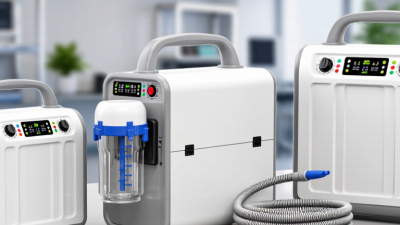
How to Define the Patient’s and Care Setting’s Needs

How to Choose a Handheld Sputum Extractor?

How to Define the Patient’s and Care Setting’s Needs

Start with the person, not the device. Can they cough effectively, sit upright, and follow instructions? Note how often sputum needs collection, its thickness, and whether the patient becomes breathless during clearance. A weak cough, limited hand strength, or fatigue may call for caregiver assistance and simpler controls. Small details matter. Also clarify whether the device is intended to collect expectorated sputum or suction secretions; these are different tasks and should be assessed by a qualified clinician.

The setting changes the practical requirements. At home, consider noise, portability, storage, cleaning steps, and whether a caregiver can assemble the collection container correctly. In a clinic or long-term care facility, staff may prioritize repeatable setup, infection-control procedures, and clear instructions for different users.

The World Health Organization’s Global Tuberculosis Report 2024 estimated that 10.8 million people developed tuberculosis in 2023, underscoring the importance of appropriate sputum collection in diagnostic pathways. That figure does not mean every patient needs an extractor; the clinical purpose matters.

Ask the care team to check expected secretion volume, patient comfort, and the plan for cleaning or replacing parts. The American Association for Respiratory Care’s 2022 artificial-airway suctioning guideline emphasizes suctioning based on clinical indicators. Its recommendations do not directly cover every handheld sputum extractor, so avoid treating them as a device-selection checklist.

Not always. A quiet, compact unit may still be unsuitable if the patient cannot manage its controls or the care setting cannot maintain it reliably.

Which Performance and Portability Features to Compare

Compare suction performance by checking the device’s stated vacuum range and airflow, not just its maximum pressure. The right balance depends on the care plan and the user, so confirm specifications with a qualified clinician. A clear pressure gauge and easy-to-read controls help caregivers monitor operation without guessing. Check whether the unit has an overflow shutoff and an appropriate filter. Small details matter.

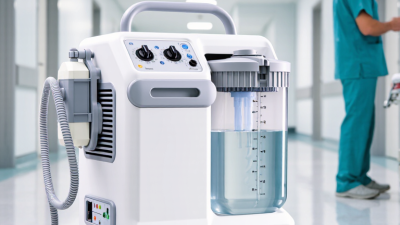
Look at the collection jar next. A transparent, graduated container makes it easier to see fill level and estimate when it needs emptying. Check its capacity, lid seal, and removal method; a jar that is awkward to detach can complicate routine cleaning. Ask how the tubing and reusable parts should be cleaned, and whether replacement filters are readily available. A spec sheet can still miss the practical hassle.

For portability, compare total weight, handle comfort, battery runtime, and charging time. Think about the whole setup, including tubing and a full collection container. If the extractor will travel between rooms, test whether it fits securely in its carrying case and can stand on a bedside table. Check operating noise, too. Quiet helps. Battery indicators and low-charge alerts are useful, though they are not a substitute for a charging routine. I might overlook that on a rushed day. A trial run, guided by clinical staff, can reveal awkward controls before regular use.

How to Check Safety, Hygiene, and Accessory Compatibility

Choosing a handheld sputum extractor starts with safety, not suction strength. Check for clear instructions on intended use, pressure limits, overflow protection, and maintenance intervals. A readable vacuum gauge helps staff adjust suction at the bedside. Confirm that patient-contact parts suit the intended use and can be replaced or reprocessed as directed. Do not assume every tube or collection jar fits.

Hygiene requires practical checks. Can the canister be sealed without touching its contents? Are filters, lids, and tubing single-use or reusable, and is that status clearly stated? Look for smooth surfaces, secure connectors, and a disposal process that limits spills. The WHO Global Report on Infection Prevention and Control (2022) estimates that 7 in 100 patients in acute-care hospitals in high-income countries acquire at least one healthcare-associated infection; in low- and middle-income countries, the estimate is 15 in 100. These figures are not specific to extractors, but they underline why infection control matters. Small details count.

Tips: Compare connector size, tubing length, jar capacity, filter type, and replacement availability with the device manual. Ask staff to assemble the unit while wearing gloves. Does each part lock securely? Use only confirmed-compatible accessories, and keep a written compatibility list. Labels can seem obvious until a hurried shift.

How to Choose a Handheld Sputum Extractor? - How to Check Safety, Hygiene, and Accessory Compatibility

Check area What to verify Good signs Warning signs
Intended use Confirm whether the device is designed for airway secretion removal, sputum specimen collection, or another specific purpose. The intended use and patient population are clearly stated in the instructions for use. The product description is vague or the proposed use differs from its labeled purpose.
Vacuum control Check how suction is generated and controlled, and whether the instructions explain safe operation for the intended user. Controls are understandable, and any pressure or vacuum limits are specified in the device documentation. There are no operating instructions, or suction cannot be controlled as directed.
Overflow protection Check whether the system has a collection container and a stated method to prevent fluid from entering the pump. The container, shutoff feature, or other protection is described and can be inspected before use. The pump could be exposed to collected fluid, or the protection method is unclear or damaged.
Hygiene and contamination control Review which parts are single-use, reusable, or replaceable, and follow the manufacturer’s cleaning and disinfection instructions. Instructions clearly identify reprocessing steps and parts that must be discarded after use. Reusable parts have no validated cleaning guidance, or single-use parts are presented for reuse.
Filter and fluid path Check whether a filter is required, where it belongs, and when it must be replaced. Do not assume a filter makes every component reusable. The instructions specify the correct filter type, placement, and replacement interval or condition. The filter is missing when required, wet, damaged, or not identified as compatible.
Collection container Verify the container’s capacity, closure, orientation, and whether it is intended for collection, disposal, or specimen handling. The container fits securely, is clearly marked, and is handled according to the instructions. The container is cracked, leaks, does not lock into place, or is not suitable for the intended specimen process.
Accessory compatibility Match tubing, connectors, filters, collection jars, and patient interfaces to the device’s specified sizes and connection types. The manufacturer’s compatibility list or instructions confirm the accessories fit and are intended for the device. Connections are loose, forced, improvised, or supported only by visual similarity.
Patient interface Confirm that any catheter, tip, or mouthpiece is appropriate for the labeled use and patient group; use only as directed by a qualified clinician. The accessory’s intended use and single-use or reprocessing status are clearly stated. An accessory is used for a different purpose or patient group without confirmation in the instructions.
Inspection and maintenance Check the body, seals, tubing, container, and controls before use; follow the stated maintenance and service schedule. Inspection points and service instructions are available, and damaged parts can be identified and replaced. Cracks, leaks, blocked tubing, loose fittings, or unreliable operation are present.
Instructions and support Look for instructions covering setup, use, cleaning, troubleshooting, storage, and disposal. Documentation is available in a language the user understands and includes clear safety guidance. Essential instructions are absent or conflict with the advice of the patient’s clinician.

Safety note: Use the device only for its labeled purpose and follow its instructions for use. Airway suctioning and specimen collection may require different equipment and procedures; seek guidance from a qualified healthcare professional when needed.

How to Verify Quality, Support, and Overall Value

A handheld sputum extractor should be assessed by evidence, not polished packaging. Ask for the intended-use information, operating instructions, and records showing how the device was tested. Check that suction settings are clearly stated and that controls are easy to read while wearing gloves. A stable handle and a secure collection container matter during routine use. Small details count.

Look closely at the parts that touch the patient or collect secretions. Confirm how they are cleaned or replaced, and whether replacement components remain available. Do not assume that a low purchase price means lower overall cost. Filters, tubing, servicing, and staff training can add up. Request written warranty terms and a realistic service response time. Ask who handles troubleshooting, and whether instructions are available in a language your team can use. Vague answers are a warning sign.

If possible, arrange a supervised demonstration using the intended setup. Check noise, portability, battery performance, and how easily the container can be removed without spills. A brochure cannot show every awkward step. It is easy to focus on suction power and overlook daily handling; I would reconsider that choice after watching a busy team use it. Compare verified performance, support, and ongoing costs together, then document why the selected model fits your setting.